How AI Is Transforming the Design of Next-Generation Consumer Electronics
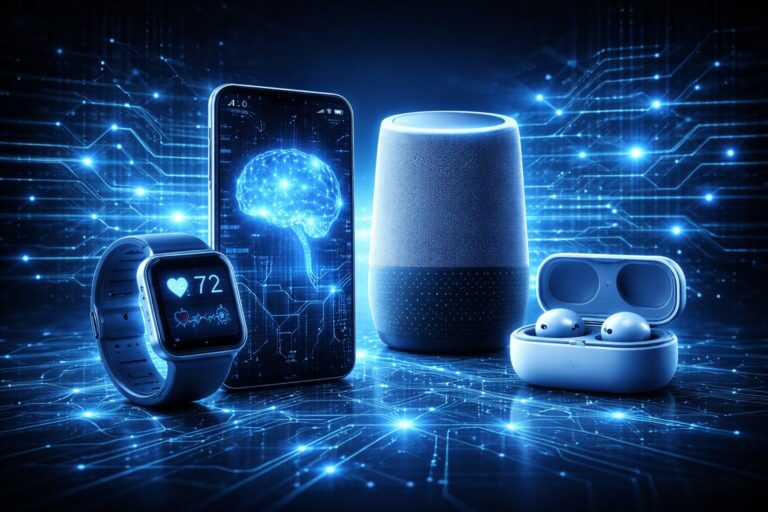
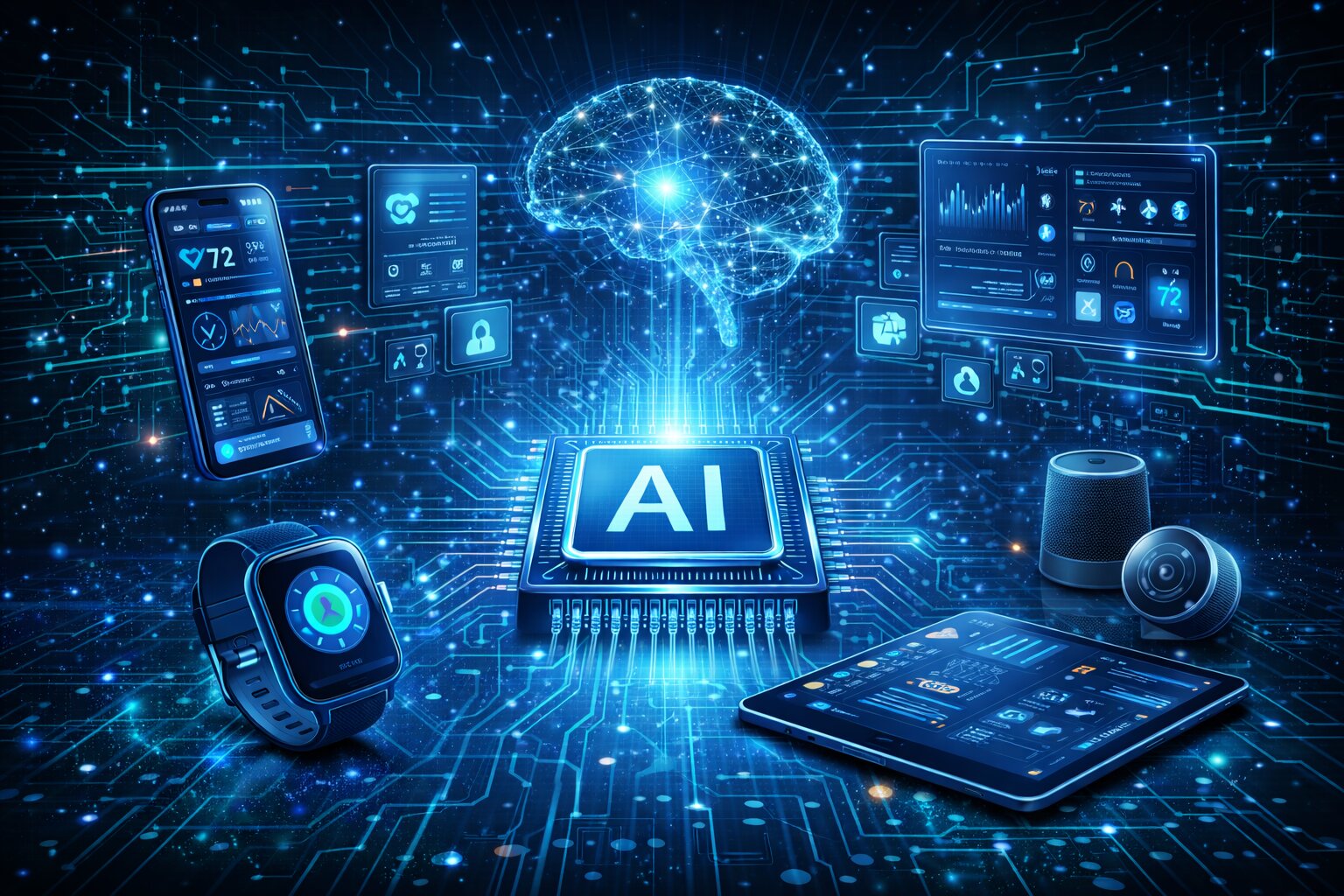
Artificial intelligence is no longer confined to software applications or cloud-based services. Increasingly, AI is being built directly into the hardware that powers modern consumer electronics. From smartphones and smart home devices to wearable technology and autonomous appliances, artificial intelligence is shaping how devices are designed, built, and used.
Manufacturers are now developing electronics that can learn from user behaviour, optimise performance automatically, and deliver more personalised experiences. As AI capabilities become more integrated into hardware, the boundary between software and physical devices is beginning to blur.
This shift is transforming the entire consumer electronics industry and laying the foundation for a new generation of intelligent devices.
From Passive Devices to Intelligent Systems
Traditional consumer electronics were designed to perform specific functions in predictable ways. Devices such as televisions, cameras, and audio systems relied on user input to determine how they operated.
Artificial intelligence changes this dynamic by allowing devices to adapt and respond to their environment.
Modern electronics can analyse data from sensors, recognise patterns in user behaviour, and adjust settings automatically. A smartphone camera, for example, can use AI to recognise scenes, optimise lighting, and enhance image quality in real time.
Similarly, smart televisions can analyse viewing habits to recommend content or adjust picture settings depending on the type of media being displayed.
These capabilities transform devices from passive tools into adaptive systems that actively assist users.
AI-Powered Cameras and Imaging Technology
One of the areas where artificial intelligence has had the most visible impact is digital imaging. Smartphone cameras now rely heavily on AI-powered image processing systems.
When a photo is taken, AI algorithms analyse the image to adjust brightness, contrast, colour balance, and detail. Advanced computational photography techniques allow devices to combine multiple images into a single enhanced photograph.
AI can also detect subjects such as people, pets, food, and landscapes, automatically adjusting camera settings to produce better results.
This technology allows compact devices such as smartphones to produce images that rival those captured by professional cameras.
Beyond photography, AI-powered imaging systems are also used in security cameras, drones, and augmented reality devices.
Smarter Home Electronics
Artificial intelligence is also transforming the rapidly growing smart home ecosystem. Many household devices now incorporate AI capabilities that allow them to learn from user behaviour and operate more efficiently.
Smart thermostats can analyse daily routines and adjust temperature settings automatically to save energy. Robotic vacuum cleaners use AI-powered navigation systems to map rooms and optimise cleaning routes.
Smart speakers and digital assistants use natural language processing to understand voice commands and control connected devices.
As more appliances become connected to the internet, AI systems can coordinate multiple devices to create automated home environments.
For example, lighting, heating, and security systems may work together to adjust settings based on whether residents are home or away.
The Rise of AI Chips in Consumer Devices
The growing use of artificial intelligence in electronics has led to the development of specialised hardware known as AI chips.
These processors are designed specifically for machine learning tasks such as image recognition, speech processing, and data analysis.
By including AI chips directly in consumer devices, manufacturers can enable advanced features without relying entirely on cloud computing.
This approach offers several advantages. Local AI processing reduces latency, allowing devices to respond more quickly to user input. It also improves privacy by keeping sensitive data on the device rather than sending it to remote servers.
Smartphones, laptops, and even televisions increasingly include dedicated AI processors that power intelligent features.
Personalisation Through Data Analysis
Artificial intelligence allows consumer electronics to personalise user experiences in ways that were not possible with traditional technology.
Devices can analyse usage patterns and adjust their behaviour accordingly.
A smartphone may learn which apps a user accesses most frequently and prioritise those applications. A smart speaker may recognise different voices and provide personalised responses for each member of a household.
Streaming devices use AI algorithms to recommend films, television shows, and music based on viewing and listening history.
Over time, these systems become more effective as they gather additional data about user preferences.
Personalisation is becoming one of the key competitive advantages in the consumer electronics market.
Energy Efficiency and Intelligent Power Management
Another important benefit of AI integration in consumer electronics is improved energy efficiency.
Modern devices often rely on machine learning algorithms to manage power consumption more effectively.
Smartphones can analyse how users interact with their devices and allocate power accordingly. Applications that are used frequently receive priority, while background processes may be limited to conserve battery life.
Similarly, smart home systems can optimise energy use by adjusting heating, lighting, and appliance activity based on household patterns.
These improvements not only extend battery life in portable devices but also help reduce overall energy consumption in homes and buildings.
Challenges in AI Hardware Integration
Despite the many advantages of AI-powered devices, integrating artificial intelligence into consumer electronics presents several challenges.
One of the most significant challenges involves processing power and battery life. AI algorithms often require substantial computational resources, which can place demands on device hardware.
Manufacturers must balance performance with efficiency to ensure that devices remain compact and energy-efficient.
Another challenge involves data privacy. Many AI features rely on analysing personal data, including voice recordings, location information, and behavioural patterns.
Ensuring that this data is handled securely and transparently is essential for maintaining consumer trust.
Finally, developing AI-powered hardware requires specialised engineering expertise, making product development more complex and expensive.
The Next Generation of Intelligent Devices
As artificial intelligence continues to evolve, the capabilities of consumer electronics will expand even further.
Future devices may include more advanced voice interfaces, gesture recognition systems, and context-aware assistants that anticipate user needs.
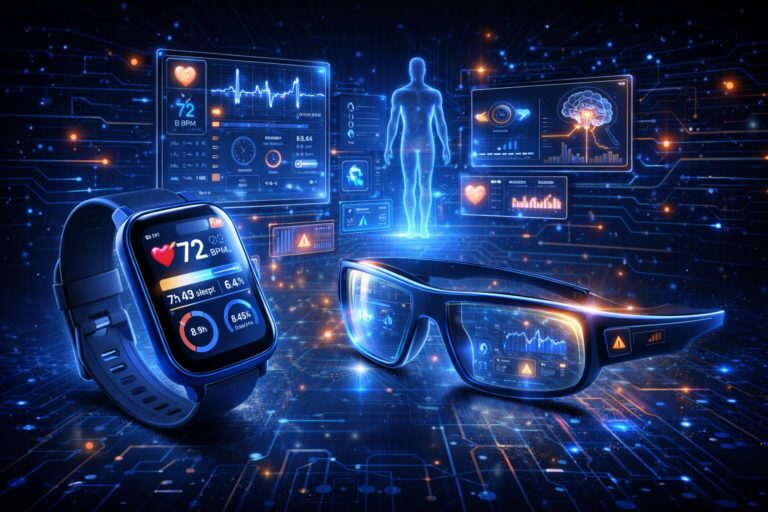
Augmented reality headsets, smart glasses, and wearable AI assistants may introduce entirely new ways of interacting with digital content.
At the same time, improvements in AI chips and edge computing may allow devices to perform increasingly complex tasks locally without relying on cloud infrastructure.
This could make electronics faster, more secure, and more responsive.
A New Era for Consumer Technology
Artificial intelligence is redefining what consumer electronics can do. Devices that once performed simple tasks are becoming intelligent systems capable of learning, adapting, and assisting users in more meaningful ways.
As hardware and AI software continue to evolve together, the next generation of consumer electronics will likely feel less like tools and more like digital partners.
From smart homes and wearable technology to immersive augmented reality experiences, AI-powered hardware is shaping the future of personal technology.
The devices people rely on every day are becoming smarter, more responsive, and more capable than ever before — marking the beginning of a new era in consumer electronics.