The Most Innovative Business Gadgets Shaping Modern Workspaces
The modern workplace is undergoing a quiet but significant transformation. While much attention is often focused on software, artificial intelligence, and digital platforms, physical technology—particularly business gadgets—is playing an equally important role. From smart collaboration tools to AI-powered peripherals, a new generation of devices is redefining how people work, communicate, and interact with their environments.
These innovations are not simply about convenience. They are designed to enhance productivity, improve ergonomics, support hybrid work, and create more intelligent, responsive workspaces. As organisations adapt to new ways of working, business gadgets are becoming an essential part of the broader digital ecosystem.
The Rise of Smart Workspaces
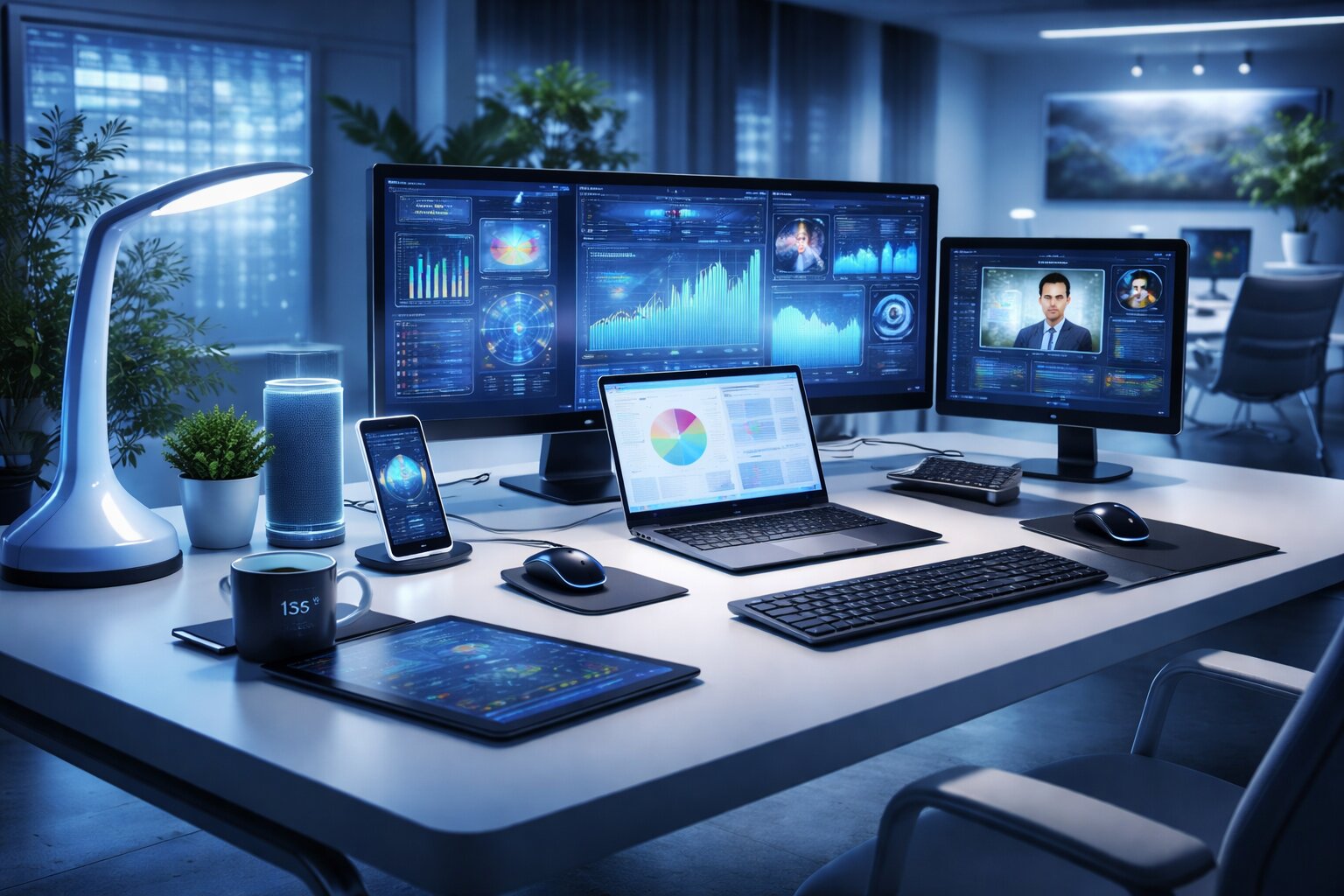
Workspaces are no longer static environments. Advances in technology are enabling offices to become dynamic, responsive spaces that adapt to user needs.
Smart desks, for example, can automatically adjust height based on user preferences, promoting better posture and reducing the risks associated with prolonged sitting. Some models integrate sensors that track usage patterns, encouraging movement throughout the day.
Lighting systems are also becoming more intelligent. Adaptive lighting can adjust brightness and colour temperature based on time of day or activity, supporting both focus and wellbeing.
These changes reflect a broader shift toward environments that are designed not just for efficiency, but for comfort and long-term health.
AI-Powered Productivity Devices
Artificial intelligence is increasingly being embedded into everyday workplace gadgets. This integration allows devices to go beyond basic functionality and provide more intelligent support.
AI-powered meeting assistants, for instance, can record conversations, generate transcripts, and summarise key points. This reduces the need for manual note-taking and helps ensure that important information is captured accurately.
Smart keyboards and writing tools are also incorporating AI features, offering real-time suggestions, corrections, and contextual insights. These tools can enhance communication and streamline workflows.
By integrating AI directly into hardware, these devices create a more seamless and efficient user experience.
Advanced Video Conferencing and Collaboration Tools
The shift toward hybrid and remote work has made video conferencing a central part of daily operations. As a result, there has been significant innovation in devices designed to improve virtual communication.
Modern conferencing cameras use AI to automatically frame participants, adjust focus, and enhance image quality. Some systems can track speakers and switch views dynamically, creating a more natural meeting experience.
Noise-cancelling microphones and smart audio systems are also improving clarity, reducing background noise and ensuring that voices are captured accurately.
These technologies are helping bridge the gap between physical and virtual collaboration, making remote interactions more effective.
Portable and Flexible Work Technology
Mobility is a key feature of modern work, and business gadgets are evolving to support more flexible workstyles.
Portable monitors, for example, allow users to extend their workspace wherever they are, improving productivity outside of traditional office settings. Lightweight docking stations enable quick connections to multiple devices, simplifying transitions between locations.
Battery technology has also improved, enabling longer usage times and reducing reliance on fixed power sources.
These innovations support a more fluid approach to work, where location is less of a constraint.
Health-Focused Workplace Technology
As awareness of workplace wellbeing grows, many business gadgets are being designed with health in mind.
Ergonomic peripherals, such as split keyboards and vertical mice, aim to reduce strain and improve comfort during extended use. Smart chairs and posture sensors provide feedback on sitting habits, encouraging better alignment and movement.
Air quality monitors are also becoming more common in offices, tracking factors such as temperature, humidity, and pollution levels. This data can be used to optimise indoor environments and improve overall comfort.
By integrating health considerations into design, these devices contribute to more sustainable and productive work habits.
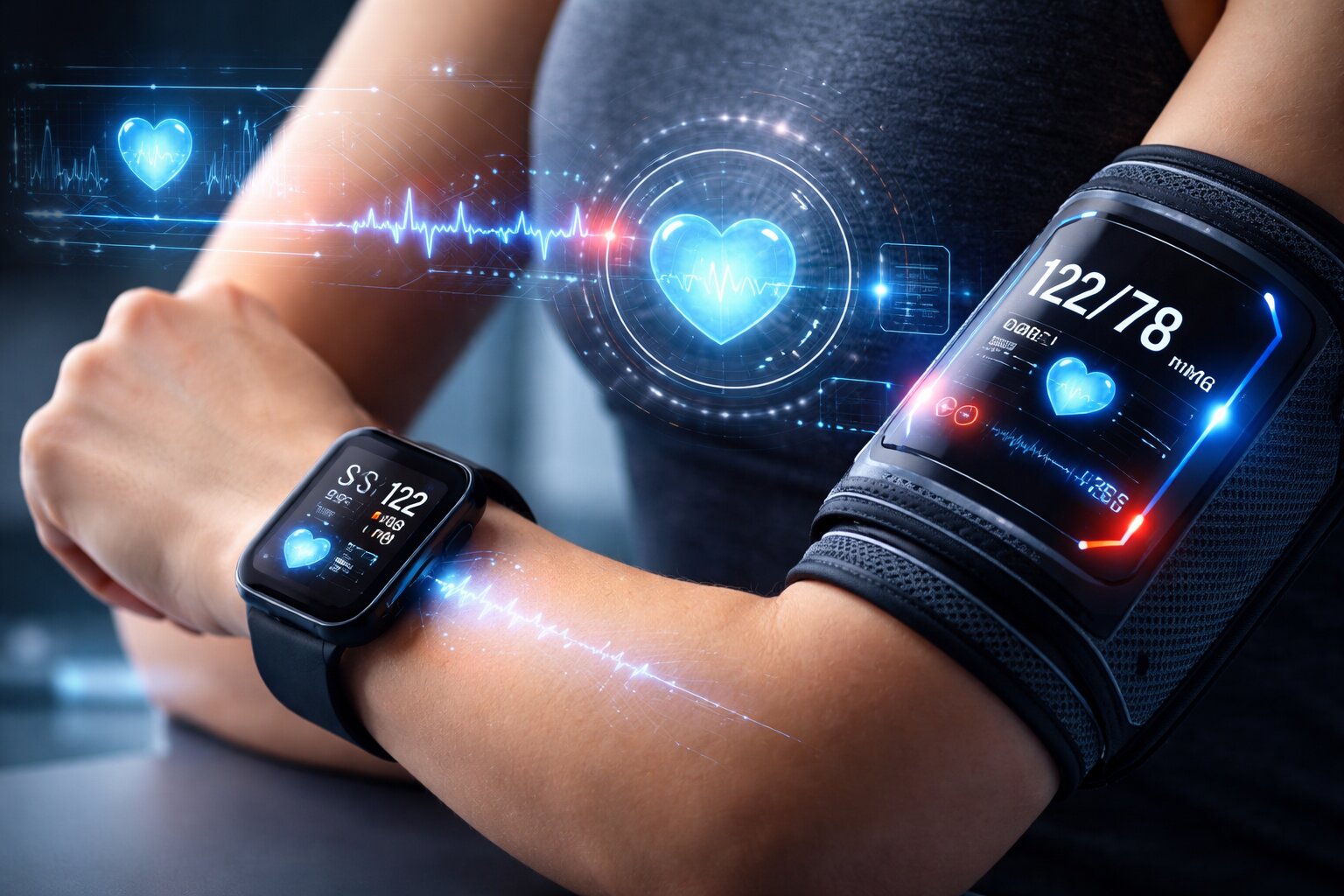
Of course, beyond this, we’re seeing transformations via wearable technology in healthcare. The way in which we are all cared for is changing considerably.
Security and Privacy Devices
With the increasing importance of data security, business gadgets are also evolving to address privacy concerns.
Hardware-based security keys provide an additional layer of authentication, reducing the risk of unauthorised access. Privacy screens and camera covers help protect sensitive information in shared or public environments.
Some devices incorporate biometric authentication, such as fingerprint or facial recognition, enabling secure and convenient access to systems.
These tools highlight the growing need to balance accessibility with security in modern work environments.
Smart Displays and Interactive Interfaces
Displays are becoming more interactive and multifunctional, serving as central hubs for productivity and collaboration.
Smart displays can integrate with calendars, communication tools, and project management platforms, providing real-time updates and information. Touchscreen interfaces enable more intuitive interaction, supporting tasks such as brainstorming and presentation.
In meeting rooms, interactive whiteboards allow teams to collaborate visually, whether they are in the same room or joining remotely.
These devices enhance communication and provide new ways to engage with information. With the speed of technological development, it’s likely that the next generation of smart devices will take things further by a considerable margin.
The Role of Connectivity and Integration
The effectiveness of business gadgets is closely tied to how well they integrate with broader systems. Connectivity is a key factor, enabling devices to communicate with each other and with software platforms.
Wireless technologies, cloud integration, and IoT connectivity allow devices to share data and coordinate actions. For example, a smart meeting room might automatically adjust lighting, temperature, and display settings based on scheduled events.
This level of integration creates a more cohesive and efficient workspace, where technology works together rather than in isolation.
Challenges in Adoption and Implementation
Despite the benefits, adopting new workplace technology is not without challenges.
Cost is a significant factor, particularly for organisations looking to upgrade multiple aspects of their infrastructure. Compatibility with existing systems can also be an issue, requiring careful planning and integration.
There is also the question of usability. New devices must be intuitive and easy to use, otherwise they risk becoming underutilised.
Training and change management are therefore important components of successful implementation.
Sustainability and Lifecycle Considerations
Sustainability is becoming an important consideration in the design and use of business gadgets. Organisations are increasingly aware of the environmental impact of electronic devices, including energy consumption and electronic waste.
Manufacturers are responding by developing more energy-efficient devices and exploring the use of recycled materials. Some are also focusing on modular designs that allow for easier repair and upgrades.
Extending the lifecycle of devices can reduce environmental impact while also providing long-term cost benefits.
The Future of Workplace Technology
The evolution of business gadgets is likely to continue as new technologies emerge. Advances in artificial intelligence, augmented reality, and connectivity will further expand what these devices can do.
Future workplaces may include more immersive collaboration tools, such as AR-enabled interfaces that overlay digital information onto physical environments. AI-driven systems could provide even more personalised support, adapting to individual work styles and preferences.
As these developments unfold, the distinction between physical and digital tools is likely to become increasingly blurred.
A More Intelligent and Adaptive Workspace
Business gadgets are playing a central role in shaping the modern workplace. By combining advanced technology with thoughtful design, these devices are enhancing productivity, supporting wellbeing, and enabling new ways of working.
Rather than being standalone tools, they are becoming part of a broader ecosystem that connects people, processes, and environments.
As organisations continue to adapt to changing demands, the role of innovative workplace technology will only become more significant, helping to define how work is experienced in the years ahead.
If you have your own thoughts and opinions on technology within the workplace, then you can write for us – read through our editorial guidelines in full and then get in touch with your topic or idea.