Wearable Technology in Healthcare: Transforming Patient Monitoring and Care
Wearable technology has evolved rapidly from a niche segment of consumer electronics into a significant force within modern healthcare. Devices that were once primarily associated with fitness tracking—such as step counters and heart rate monitors—are now being integrated into clinical environments, enabling continuous health monitoring, early diagnosis, and more personalised care.
This shift reflects a broader transformation in how healthcare is delivered. Instead of relying solely on periodic check-ups and hospital-based assessments, wearable technology allows for real-time data collection in everyday settings. As a result, patients, clinicians, and healthcare systems are gaining access to a more comprehensive and dynamic view of health.
From Consumer Gadgets to Clinical Tools
The early wave of wearable devices was largely focused on general wellness. Fitness trackers and smartwatches provided users with insights into physical activity, sleep patterns, and basic cardiovascular metrics. While these features were useful, they were not initially designed for clinical use.
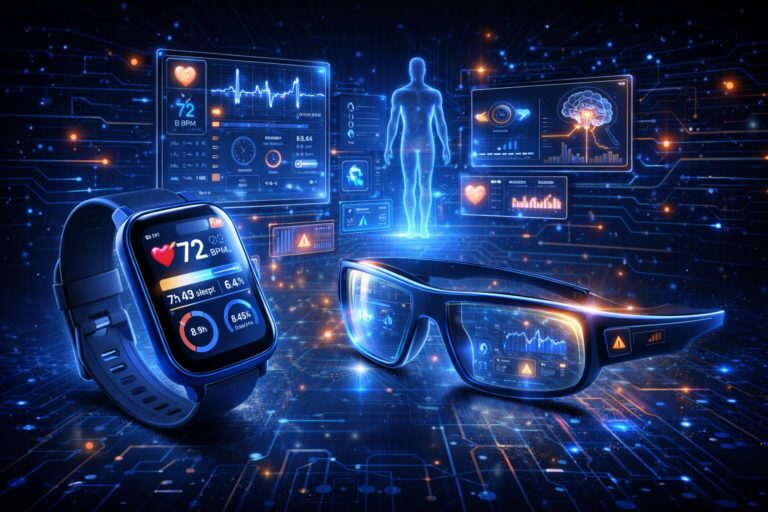
Over time, advances in sensor technology, data processing, and connectivity have expanded the capabilities of wearable devices. Modern wearables can now track a wide range of physiological signals, including heart rhythm, blood oxygen levels, stress indicators, and even electrocardiogram (ECG) readings.
As accuracy and reliability have improved, healthcare providers have begun to recognise the potential of these devices as medical tools. Some wearables are now approved for clinical use, supporting diagnosis, monitoring, and treatment across a variety of conditions.
Continuous Monitoring and Real-Time Insights
One of the most significant advantages of wearable technology in healthcare is the ability to monitor patients continuously. Traditional healthcare models often rely on snapshots of data collected during appointments, which may not capture fluctuations or early warning signs.
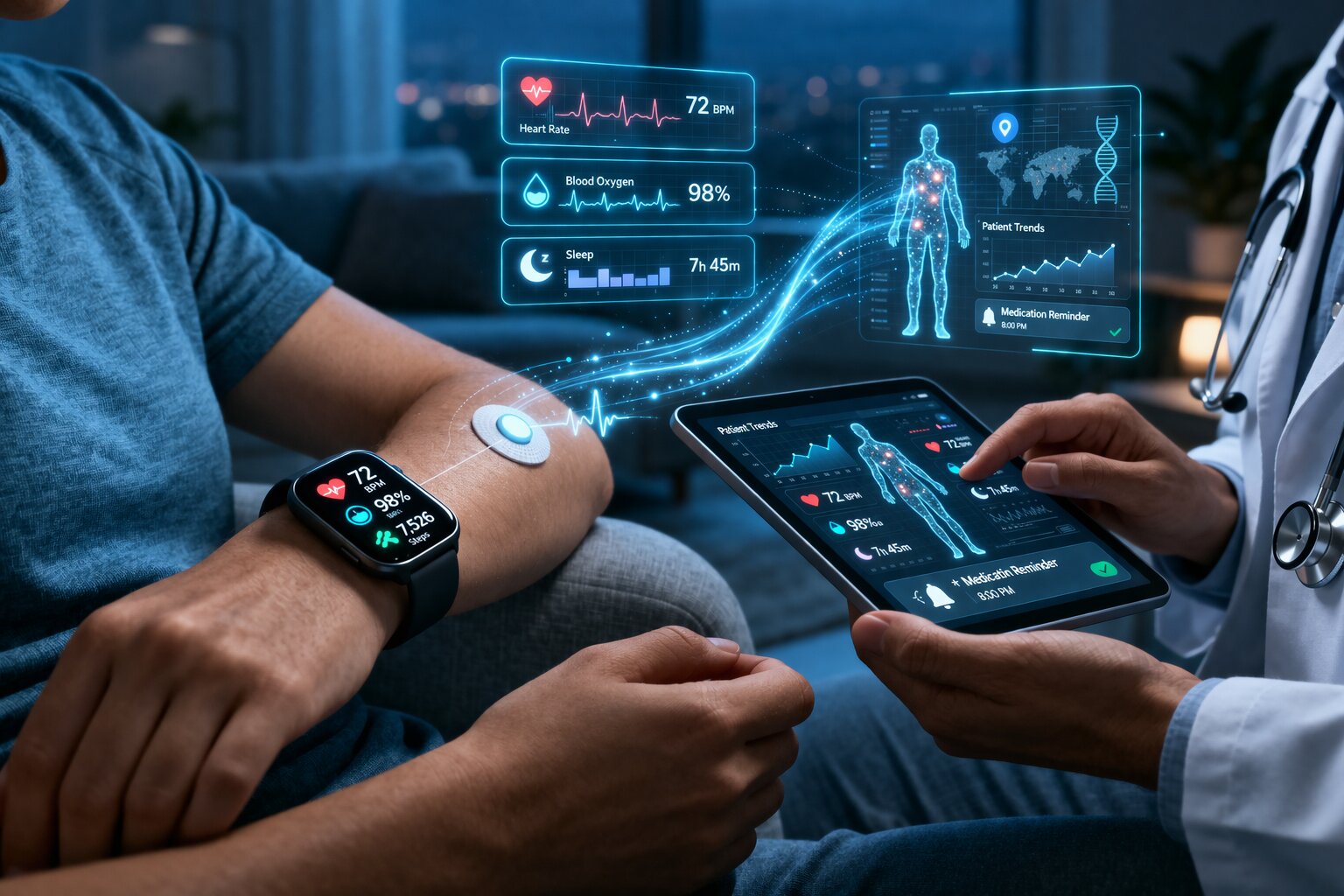
Wearables, by contrast, provide a continuous stream of data, enabling clinicians to observe trends over time. This is particularly valuable for managing chronic conditions such as diabetes, cardiovascular disease, and respiratory disorders.
For example, wearable heart monitors can detect irregular heart rhythms that might otherwise go unnoticed. Similarly, devices that track blood oxygen levels can help identify respiratory issues before they become severe.
Real-time monitoring also enables faster intervention. Alerts can be triggered when certain thresholds are exceeded, allowing healthcare providers to respond quickly and potentially prevent complications.
Supporting Preventive and Personalised Care
Wearable technology is also playing a key role in shifting healthcare toward a more preventive and personalised model. By providing individuals with insights into their own health, these devices encourage proactive behaviour and greater engagement with wellbeing.
Patients can track their activity levels, sleep quality, and other health metrics, gaining a better understanding of how lifestyle choices affect their overall health. This can lead to earlier interventions and more effective management of risk factors.
From a clinical perspective, wearable data allows for more personalised treatment plans. Instead of relying on generalised guidelines, healthcare providers can tailor recommendations based on an individual’s unique data profile.
This approach aligns with broader trends in precision medicine, where treatments are customised to the specific characteristics of each patient.
Applications Across Healthcare Settings
The use of wearable technology is expanding across a wide range of healthcare contexts.
In hospital settings, wearables are being used to monitor patients remotely, reducing the need for constant manual checks. This can improve efficiency and allow healthcare professionals to focus on more critical tasks.
In outpatient care, wearable devices enable remote patient monitoring, allowing individuals to be observed from home rather than requiring frequent visits to healthcare facilities. This is particularly beneficial for patients with mobility challenges or those living in remote areas.
Mental health is another area where wearables are making an impact. Devices that track physiological indicators such as heart rate variability and sleep patterns can provide insights into stress and mental wellbeing, supporting early intervention and ongoing management.
Rehabilitation is also benefiting from wearable technology. Sensors can track movement and provide feedback, helping patients recover from injuries or surgeries more effectively.
Integration with Digital Health Ecosystems
Wearable devices do not operate in isolation. Their value is significantly enhanced when integrated into broader digital health ecosystems, including electronic health records (EHRs), mobile applications, and cloud-based platforms.
This integration allows data collected by wearables to be shared with healthcare providers, enabling more informed decision-making. It also supports the development of advanced analytics and predictive models, which can identify patterns and anticipate potential health issues.
Artificial intelligence is increasingly being applied to wearable data, enhancing its usefulness. Machine learning algorithms can analyse large volumes of data to detect anomalies, predict outcomes, and provide actionable insights.
This convergence of wearable technology, data analytics, and AI is helping to create a more connected and intelligent healthcare system.
Challenges and Limitations
Despite its potential, wearable technology in healthcare faces several challenges.
One of the primary concerns is data accuracy. While many devices have improved significantly, variations in measurement quality can still occur. Ensuring that wearable data is reliable enough for clinical decision-making remains an ongoing challenge.
Data privacy and security are also critical issues. Wearable devices collect sensitive health information, which must be protected against unauthorised access and breaches. As these devices become more widely used, ensuring robust cybersecurity measures is essential.
Another challenge is data overload. Continuous monitoring generates large volumes of data, which can be difficult for healthcare providers to manage and interpret. Effective data filtering and analysis tools are needed to ensure that relevant insights are not lost.
There are also issues related to accessibility and equity. Not all patients have access to wearable devices, and disparities in adoption could lead to unequal healthcare outcomes.
Regulatory and Ethical Considerations
The increasing use of wearable technology in healthcare raises important regulatory and ethical questions. Devices used for medical purposes must meet strict standards to ensure safety and effectiveness.
Regulators are working to establish frameworks that balance innovation with patient protection. This includes defining which devices qualify as medical devices and setting requirements for testing and approval.
Ethical considerations are equally important. Questions around data ownership, consent, and transparency must be addressed to build trust in wearable technology.
As the technology continues to evolve, these regulatory and ethical frameworks will need to adapt accordingly.
The Future of Wearable Healthcare Technology
The future of wearable technology in healthcare is likely to be shaped by continued advances in sensors, connectivity, and data analytics.
Emerging devices are becoming smaller, more comfortable, and more capable, enabling more seamless integration into daily life. Innovations such as smart clothing, implantable sensors, and advanced biosensors could further expand the scope of wearable healthcare.
Integration with artificial intelligence will also play a significant role. AI-driven insights can enhance the value of wearable data, enabling more accurate predictions and more effective interventions.
There is also growing interest in integrating wearable technology with other digital health tools, creating comprehensive systems that support end-to-end care.
As these developments continue, wearable technology is expected to become an increasingly central component of healthcare delivery.
A Shift Toward Connected, Data-Driven Care
Wearable technology represents a fundamental shift in how healthcare is approached. By enabling continuous monitoring, supporting preventive care, and facilitating personalised treatment, these devices are helping to create a more proactive and patient-centred system.
While challenges remain, the potential benefits are substantial. As technology continues to advance and integration improves, wearable devices are likely to play an even greater role in shaping the future of healthcare.
Understanding this shift is essential for anyone seeking to navigate the evolving landscape of digital health and emerging technology.