The Most Common Online Security Mistakes People Still Make in 2026
Cybersecurity threats have evolved rapidly in recent years, yet many of the most successful cyber attacks still rely on surprisingly simple tactics. While organisations and individuals have access to more security tools than ever before, common mistakes continue to expose users to data breaches, identity theft, and financial fraud.
Cybercriminals often rely on predictable human behaviour rather than sophisticated hacking techniques. Weak passwords, careless clicking, and outdated software remain some of the most common ways attackers gain access to sensitive information.
Understanding these risks — and learning how to avoid them — is one of the most effective ways to improve online security.
Reusing Passwords Across Multiple Accounts
One of the most widespread security mistakes is reusing the same password across multiple online accounts. Many people use identical or slightly modified passwords for email, social media, banking, and work accounts simply because it is easier to remember.
Unfortunately, this habit creates a significant vulnerability.
When a website experiences a data breach, attackers often obtain large databases of user credentials. These credentials are then tested on other websites in what is known as a “credential stuffing” attack. If the same password is used across multiple services, attackers can gain access to several accounts with a single compromised login.
Using unique passwords for each account dramatically reduces this risk. Password managers can help users generate and store complex passwords without needing to memorise them.
Ignoring Multi-Factor Authentication
Multi-factor authentication (MFA) has become one of the most effective security measures available today, yet many users still fail to enable it on their accounts.
MFA requires users to provide an additional verification step beyond a password. This might include a code sent to a mobile device, a biometric scan, or authentication through a dedicated security app.
Even if an attacker manages to obtain a user’s password, MFA can prevent them from accessing the account without the second verification factor.
Despite its effectiveness, many people skip this feature because they view it as inconvenient. However, the extra step adds a powerful layer of protection that can prevent many common attacks.
Falling for Phishing Emails
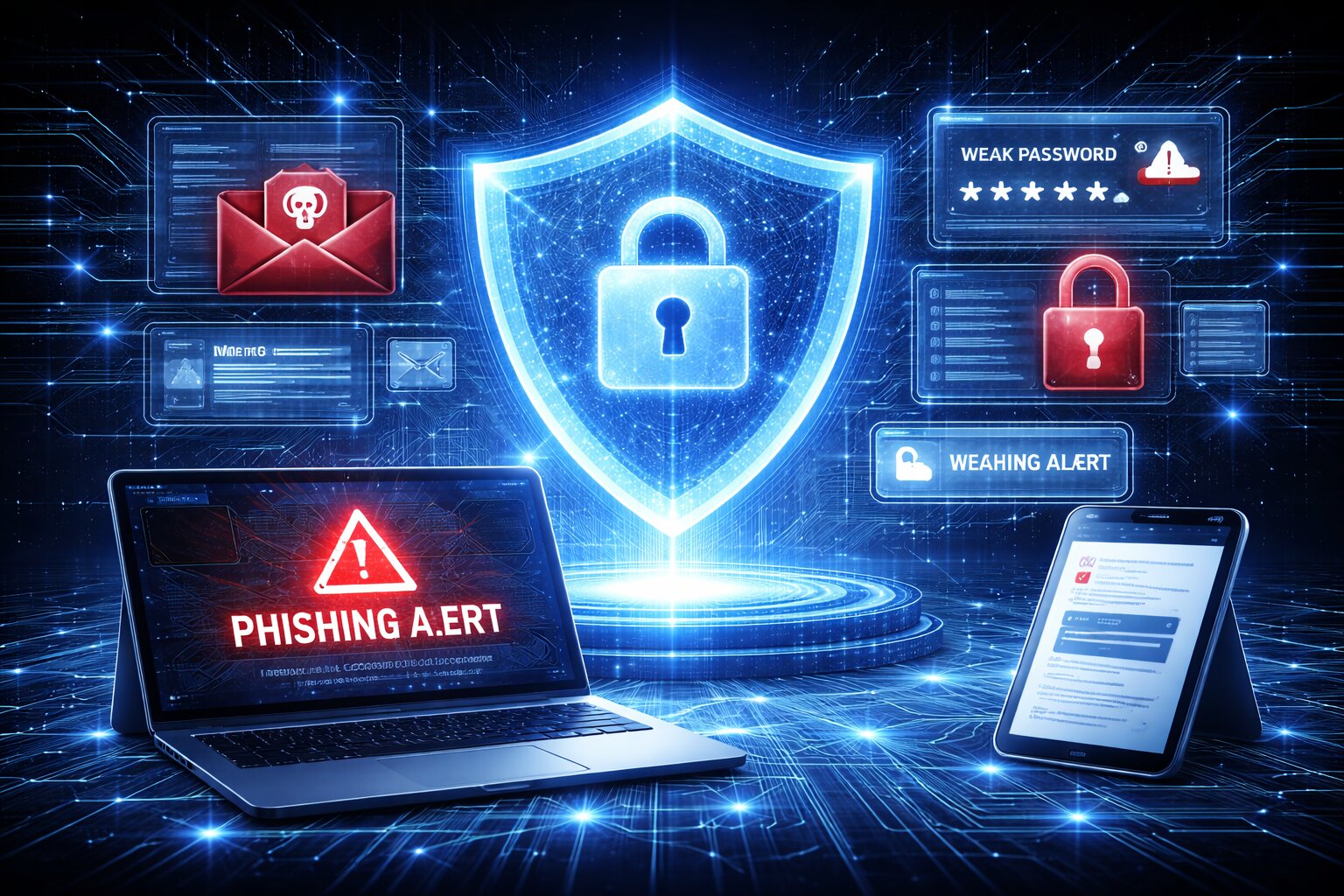
Phishing remains one of the most successful cyber attack techniques. In a phishing attack, cybercriminals attempt to trick users into revealing sensitive information such as passwords, credit card numbers, or login credentials.
These attacks often take the form of emails or messages that appear to come from legitimate organisations such as banks, delivery services, or online platforms.
Phishing emails may include links to fake websites designed to capture login details. Others may contain attachments that install malware when opened.
While phishing scams have existed for many years, they have become increasingly sophisticated. Attackers now use realistic branding, convincing language, and personalised messages to make their communications appear legitimate.
Carefully verifying unexpected messages and avoiding suspicious links is essential for preventing phishing attacks.
Neglecting Software Updates
Software updates are another critical component of cybersecurity that many users overlook. Software developers regularly release updates to fix security vulnerabilities and improve system stability.
When users delay or ignore these updates, they leave their devices exposed to known security flaws.
Cybercriminals often scan the internet for systems running outdated software that contain unpatched vulnerabilities. Once these weaknesses are identified, attackers may attempt to exploit them to gain unauthorised access.
Keeping operating systems, applications, and security software up to date helps ensure that known vulnerabilities are patched quickly.
Many modern systems offer automatic updates, which can help reduce the risk of running outdated software.
Using Public Wi-Fi Without Protection
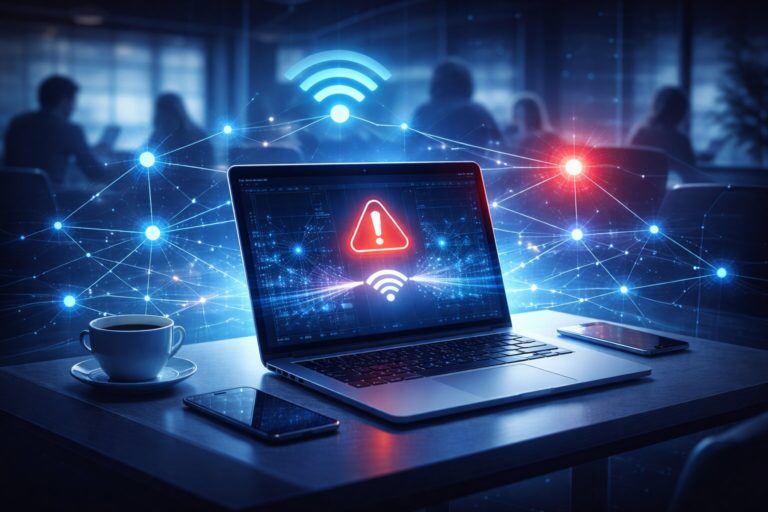
Public Wi-Fi networks are convenient, but they can also present security risks if used improperly. Networks in airports, cafes, hotels, and other public locations are often less secure than private networks.
Attackers can sometimes intercept data transmitted over unsecured networks, particularly if websites do not use encryption.
Using public Wi-Fi to access sensitive accounts such as banking services or corporate systems can therefore increase the risk of data exposure.
Virtual private networks (VPNs) can help protect internet traffic by encrypting data between the user’s device and the destination server. This makes it much more difficult for attackers to intercept information transmitted over public networks.
Whenever possible, users should avoid conducting sensitive transactions on public Wi-Fi without additional protection.
Oversharing Personal Information Online
Another often overlooked cybersecurity risk involves the amount of personal information people share online. Social media platforms encourage users to post updates about their lives, but this information can sometimes be used by attackers.
Cybercriminals may analyse social media profiles to gather details such as birth dates, workplace information, or family names. These details can then be used to guess passwords, answer security questions, or craft convincing phishing messages.
Limiting the amount of personal information shared publicly can reduce the likelihood of becoming a target for these types of attacks.
Privacy settings on social media platforms can also help control who is able to view personal information.
Weak Device Security
Many users focus on protecting their online accounts but overlook the importance of securing their devices. Smartphones, laptops, and tablets often contain large amounts of personal and professional data.
If a device is lost or stolen and not properly protected, attackers may be able to access this information directly.
Using strong device passcodes, biometric authentication, and encryption can help protect data stored on devices. Remote wipe features are also useful in case a device is lost.
These measures add an additional layer of protection beyond account-level security.
Building Better Security Habits
Cybersecurity is not just about technology — it is also about behaviour. Many security incidents occur because users underestimate risks or assume that basic precautions are unnecessary.
Developing good security habits can significantly reduce the likelihood of becoming a victim of cybercrime. Using strong passwords, enabling multi-factor authentication, verifying suspicious messages, and keeping software updated are simple steps that can dramatically improve digital safety.
While cyber threats will continue to evolve, individuals who take proactive steps to protect their accounts and devices are far less likely to experience serious security incidents.
In a digital world where personal data is increasingly valuable, taking online security seriously has never been more important.