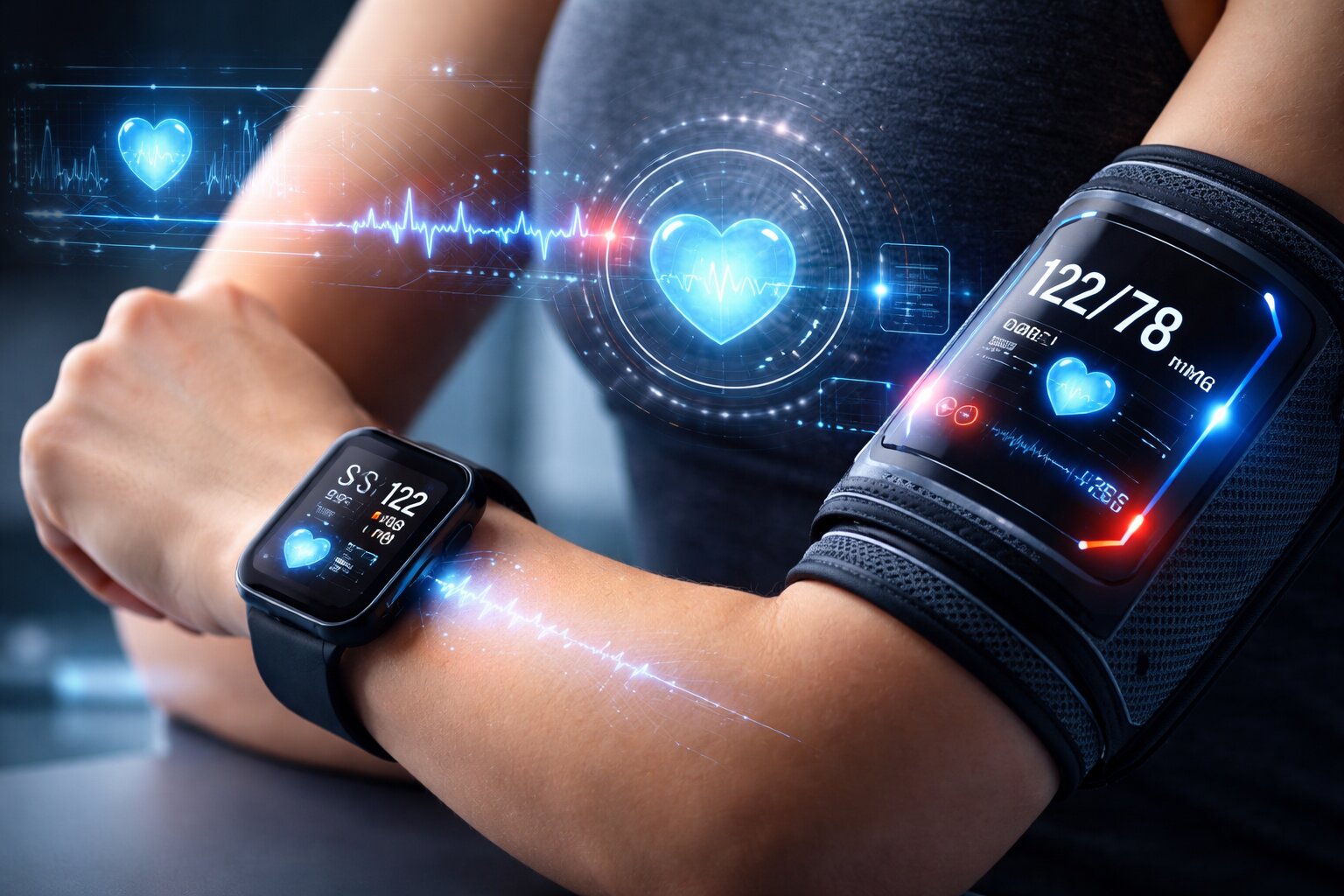
Wearable Blood Pressure Monitors: How They Work and Why They Matter
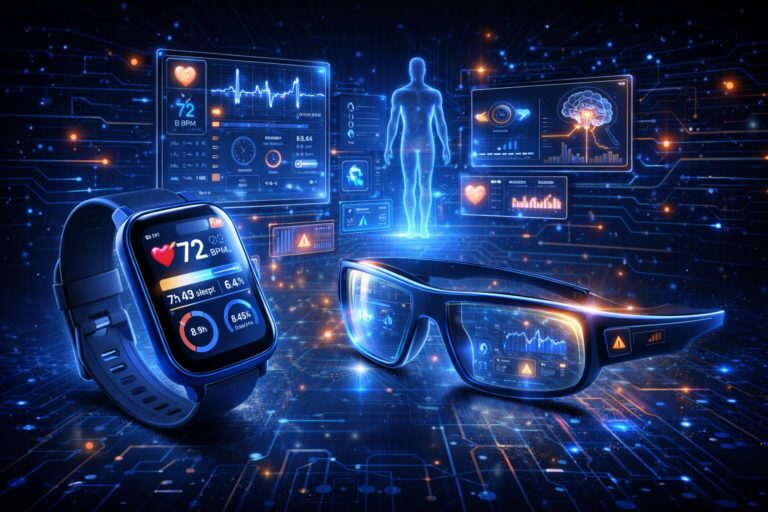
Wearable health technology has moved beyond basic fitness tracking into more advanced forms of medical monitoring. Among the most significant developments in this space is the emergence of wearable blood pressure monitors—devices designed to provide continuous or near-continuous insights into cardiovascular health without the need for traditional cuffs or clinical equipment.
These devices reflect a broader shift in healthcare toward more accessible, data-driven, and patient-centric models. By enabling individuals to monitor blood pressure throughout the day, wearable technology is helping to bridge the gap between clinical assessments and real-world health conditions.
Moving Beyond Traditional Measurement Methods
Conventional blood pressure monitoring typically involves the use of an inflatable cuff placed around the arm. While this method is widely used and clinically validated, it has limitations. Measurements are taken at specific moments in time, often in controlled environments, which may not accurately reflect a person’s typical blood pressure throughout the day.
Wearable devices aim to address this limitation by offering more frequent or continuous measurements. Instead of relying on periodic readings, these devices provide a more comprehensive picture of how blood pressure fluctuates in response to daily activities, stress, sleep, and other factors.
This shift from snapshot measurements to continuous monitoring represents a significant advancement in how cardiovascular health is understood and managed.
How Wearable Blood Pressure Monitors Work
Unlike traditional cuff-based systems, most wearable blood pressure monitors rely on indirect measurement techniques. These methods estimate blood pressure using a combination of sensors, algorithms, and physiological signals.
One of the most common approaches involves photoplethysmography (PPG), a technique that uses light sensors to detect changes in blood volume within the skin. By analysing how light is absorbed or reflected, the device can infer information about blood flow.
In combination with other data—such as heart rate, pulse wave velocity, and timing between heartbeats—algorithms can estimate blood pressure levels. Some devices also incorporate electrocardiogram (ECG) sensors to improve accuracy.
These measurements are processed using machine learning models that have been trained to correlate sensor data with traditional blood pressure readings. Over time, the system can refine its estimates based on user-specific data.
The Role of Calibration and Accuracy
Accuracy remains one of the most important considerations for wearable blood pressure monitors. Because these devices rely on indirect measurements, they often require initial calibration using a traditional cuff-based monitor.
Calibration helps align the wearable device’s estimates with clinically validated readings. Some devices may require periodic recalibration to maintain accuracy over time.
While advances in sensor technology and algorithms have improved reliability, wearable monitors are generally not yet considered a complete replacement for clinical-grade equipment in all scenarios. Instead, they are best viewed as complementary tools that provide additional insights between formal measurements.
Ongoing research and development are focused on improving accuracy, with the goal of making wearable devices more suitable for medical decision-making.
Continuous Monitoring and Real-World Insights
One of the key advantages of wearable blood pressure monitors is their ability to capture data in real-world conditions. Blood pressure is influenced by a wide range of factors, including physical activity, stress levels, diet, and sleep.
By tracking these fluctuations throughout the day, wearable devices can provide a more nuanced understanding of cardiovascular health. This can be particularly valuable for identifying patterns that might not be visible during occasional clinical measurements.
For example, some individuals experience “white coat hypertension,” where blood pressure rises in clinical settings due to anxiety. Others may have masked hypertension, where readings appear normal in a clinic but are elevated during daily life.
Continuous monitoring can help identify these conditions, enabling more accurate diagnosis and treatment.
Supporting Preventive Healthcare
Wearable blood pressure monitors are also contributing to a shift toward preventive healthcare. By providing regular feedback, these devices encourage users to engage more actively with their health.
Users can track how lifestyle factors—such as exercise, diet, and sleep—affect their blood pressure over time. This can support behaviour changes aimed at reducing risk factors associated with cardiovascular disease.
From a clinical perspective, early detection of abnormal patterns can lead to earlier intervention, potentially preventing more serious health issues.
This proactive approach aligns with broader trends in healthcare, where the focus is increasingly on prevention rather than treatment.
Integration with Digital Health Platforms
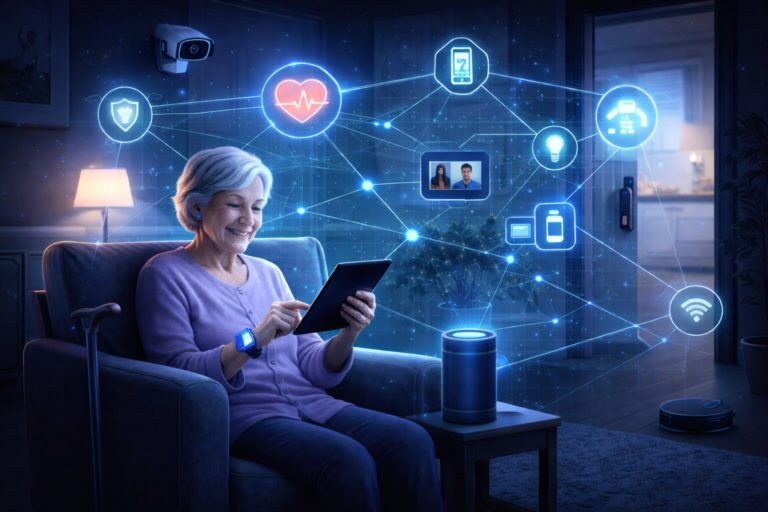
Modern wearable devices are often integrated with mobile applications and cloud-based platforms, allowing users to store, analyse, and share their data.
This connectivity enables seamless communication between patients and healthcare providers. Clinicians can access detailed records of blood pressure trends, supporting more informed decision-making.
In some cases, data from wearable devices can be incorporated into electronic health records, creating a more comprehensive view of a patient’s health.
The integration of wearable technology with digital health systems is helping to create a more connected and data-driven healthcare ecosystem.
Challenges and Limitations
Despite their potential, wearable blood pressure monitors face several challenges.
Accuracy remains a primary concern, particularly in comparison to traditional methods. Variations in sensor placement, movement, and environmental factors can affect readings.
There is also the issue of user compliance. For continuous monitoring to be effective, devices must be worn consistently and used correctly. This can be influenced by factors such as comfort, battery life, and ease of use.
Data privacy and security are additional considerations. As wearable devices collect sensitive health information, ensuring that this data is protected is essential.
Finally, there are regulatory challenges. Devices intended for medical use must meet strict standards, and the process of validation and approval can be complex.
The Expanding Role of Wearable Health Technology
Wearable blood pressure monitors are part of a broader trend toward more advanced health monitoring devices. As technology continues to evolve, these devices are becoming more sophisticated, offering a wider range of features and capabilities.
Future developments may include improved sensor accuracy, longer battery life, and more seamless integration with other health technologies. Advances in artificial intelligence are also likely to enhance data analysis, enabling more precise and personalised insights.
There is also growing interest in combining multiple health metrics—such as heart rate, oxygen levels, and activity data—to provide a more holistic view of health.
A Step Toward More Personalised Healthcare
The emergence of wearable blood pressure monitors represents a step toward more personalised and accessible healthcare. By bringing monitoring capabilities into everyday life, these devices are helping to shift the focus from reactive treatment to proactive management.
While challenges remain, the potential benefits are significant. As technology improves and adoption increases, wearable devices are likely to play an increasingly important role in managing cardiovascular health.
Understanding how these devices work and what they offer provides valuable insight into the future of healthcare—one that is more connected, data-driven, and centred around the individual.