Chef Jobs: Secure From the Threat of AI
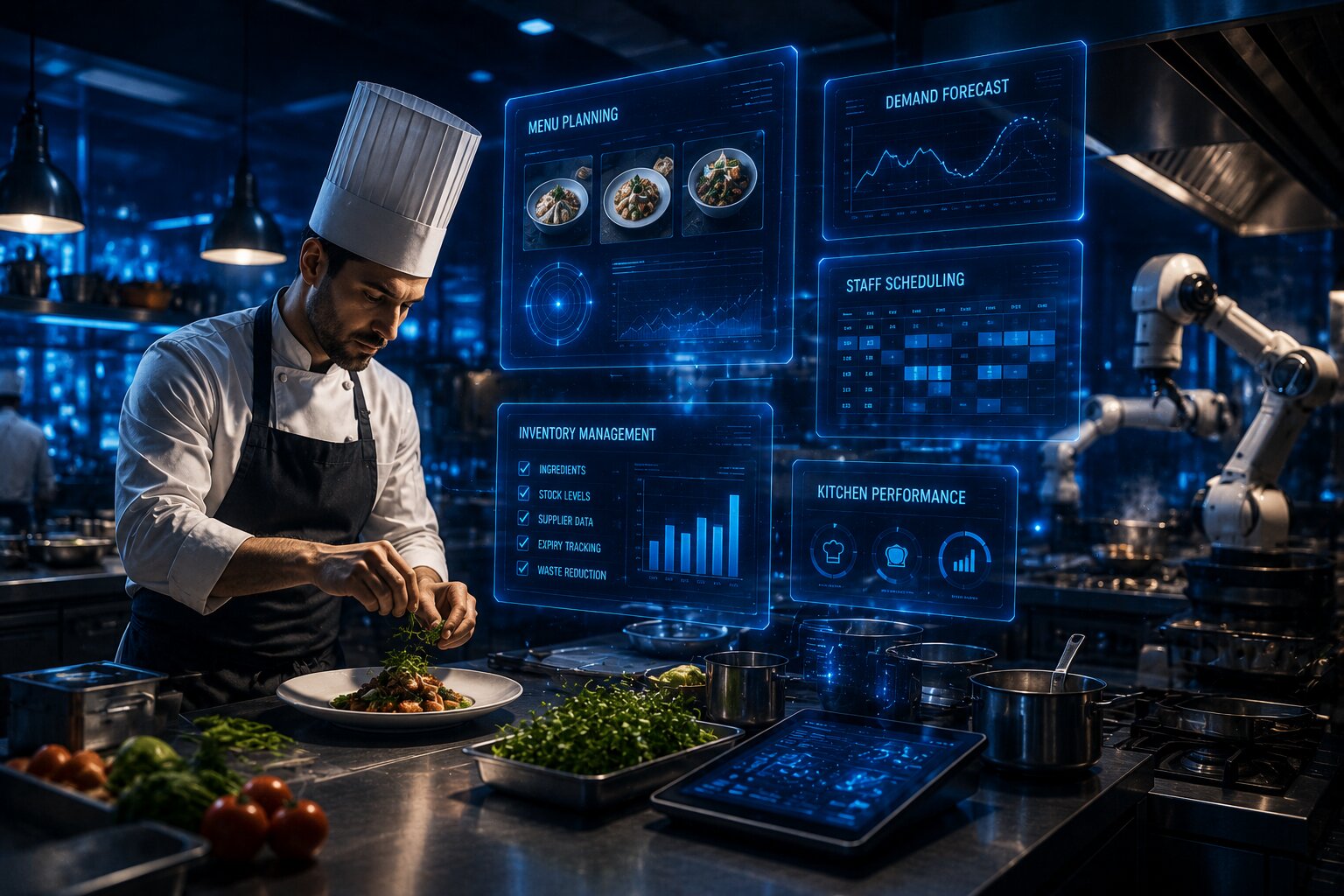
Chef jobs are more secure from AI than many office-based roles, but they are not untouched by automation. Artificial intelligence can already support menu planning, inventory, demand forecasting, recipe costing, staff scheduling and kitchen analytics. Robotics can also help with some repetitive preparation and cooking tasks.
Even so, the core work of a chef remains difficult to automate fully. Kitchens are physical, pressured, sensory and highly variable environments. Chefs do not only follow recipes. They taste, adjust, lead teams, manage timing, respond to shortages, handle service pressure and make judgement calls in real time.
That makes chef jobs a useful example in the wider AI employment debate. The profession is exposed to technology, but not easily replaced by it.
Why chef jobs are different from digital roles
Many AI job loss predictions focus on roles where work happens almost entirely through screens. If a job mainly involves documents, messages, data, code or templates, AI can operate directly inside the workflow.
Chef work is different. It involves ingredients, heat, timing, texture, smell, equipment, hygiene, presentation, people and pressure. A chef must respond to what is happening in the kitchen, not just what is written in a system.
This physical and sensory dimension gives chefs more protection than many routine digital jobs. AI can suggest a dish, but it cannot easily feel whether dough is right, taste a sauce, manage a rushed service or notice when a team member is struggling.
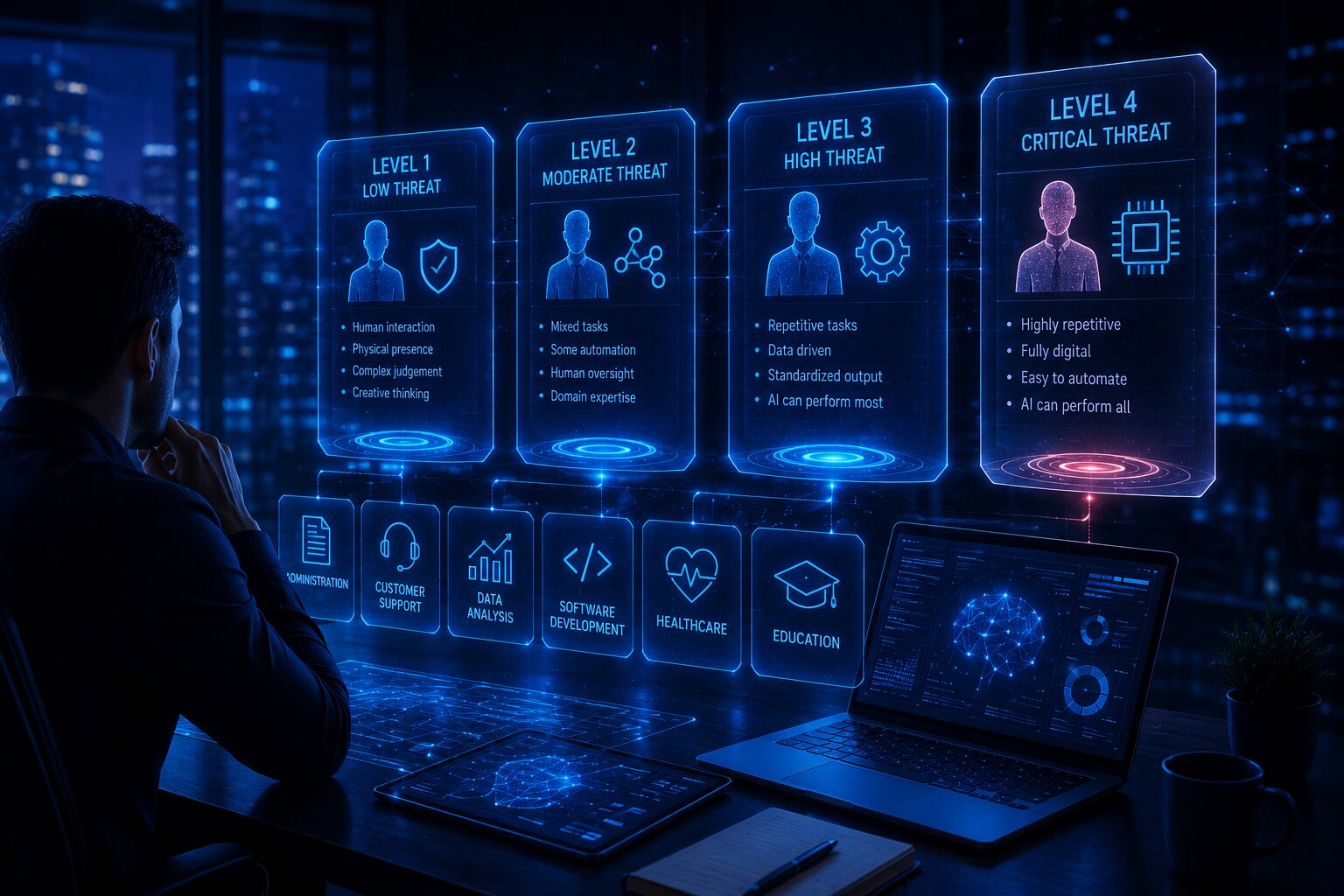
For comparison, jobs AI is least likely to replace tend to share similar traits: physical presence, human judgement, trust, creativity and real-world accountability.
AI will still change kitchen work
Chef jobs are not immune from AI. Restaurants, hotels, catering businesses and food-service operators are already exploring automation because the sector faces cost pressure, labour shortages and tight margins.
AI can help kitchens reduce waste, forecast demand, plan menus, manage stock and improve scheduling. It can also support allergen tracking, supplier ordering, pricing and recipe consistency.
McKinsey has identified food service as one of the categories where employment could continue to decline as automation advances, while estimating that activities accounting for up to 30% of US work hours could be automated by 2030.
That does not mean chefs disappear. It means parts of food service will be redesigned. The most repetitive and standardised tasks are most exposed.
The highest-risk kitchen tasks
The kitchen tasks most vulnerable to automation are those that are predictable, repetitive and easy to standardise. This includes portioning, frying, drink preparation, basic assembly, stock counts, ordering, simple prep and some cleaning workflows.
Fast food, dark kitchens, institutional catering and highly standardised chains are more exposed than independent restaurants or fine dining kitchens. In these environments, consistency and speed often matter more than improvisation or originality.
Kitchen robotics is also improving. Recent reporting on consumer and commercial robot chef systems shows that automated cooking is moving beyond novelty, although practical adoption still depends on cost, reliability, space and the type of food being prepared.
The key point is that automation is more likely to target specific kitchen functions than the whole chef role.
Why chefs remain hard to replace
Chefs remain difficult to replace because the job combines craft, judgement and leadership. A chef must understand flavour, timing, texture, presentation, kitchen workflow, supplier quality, customer expectations and team behaviour.
During service, conditions change constantly. Orders arrive unevenly. Ingredients run low. Equipment fails. Customers request changes. Staff make mistakes. A chef has to make fast decisions while keeping standards high.
AI works best when conditions are structured and predictable. Kitchens are often the opposite. Even when recipes are standardised, the reality of service is dynamic.
This is why AI job threat levels should not be judged only by whether technology can perform one task. A robot may flip food or stir a dish. That does not mean it can lead a kitchen.
Creativity still matters
Cooking is not only production. It is also taste, culture, memory, presentation and experience. Chefs create dishes for specific customers, occasions, locations and budgets. They make choices that are difficult to reduce to data.
AI can generate recipe ideas, but it does not understand food as a lived experience. It can combine ingredients statistically, but it cannot taste the final result. It can suggest trends, but it cannot read a dining room.
For chefs, AI may become a creative assistant rather than a replacement. It can help with research, costing, dietary alternatives and menu drafts. The chef still decides what belongs on the plate.
Leadership protects the role
Senior chefs are especially protected because they manage people as much as food. Head chefs and sous chefs coordinate teams, control standards, train junior staff, manage suppliers and handle pressure.
Leadership is hard to automate because it depends on trust, communication and authority. Kitchen teams need direction from someone who understands the work physically and emotionally. A system can display instructions, but it cannot easily build morale or manage conflict during a difficult service.
This makes career progression important. A chef who only performs repetitive prep may face more automation pressure than a chef who leads sections, designs menus or manages operations.
The broader question of whether your job is safe from AI often comes down to this same distinction: routine output is exposed, but judgement and responsibility provide resilience.
Chefs may benefit from AI
For many chefs, AI could make the job better rather than less secure. Kitchen work is demanding, and some tasks are repetitive, administrative or wasteful. AI can reduce the burden of stock management, rota planning, supplier comparison and cost analysis.
AI can also help chefs respond to dietary requirements, control food waste and analyse sales patterns. In a difficult hospitality market, better forecasting and planning can protect margins and reduce stress.
Hospitality commentators increasingly frame AI as a tool for improving operations rather than simply replacing chefs, especially where it removes repetitive administration and allows kitchen leaders to focus on food, team management and service quality.
That is the more realistic future: fewer spreadsheets, better forecasting and more automation around the edges of the kitchen.
Where chef jobs are less secure
Not every chef role has the same level of protection. Jobs in highly standardised food production are more vulnerable than roles requiring creativity, adaptation and leadership.
A chef working in a chain kitchen with tightly controlled recipes, centralised purchasing and limited menu variation may see more automation than a chef in an independent restaurant. A production cook preparing the same items at scale may be more exposed than a chef designing seasonal menus.
This does not make chain or production roles worthless. It means the tasks are easier to automate, particularly when employers are focused on cost and consistency.
The cluster article on which jobs AI may replace by 2030 explores this wider pattern across administrative, customer service, content, technical and food-service roles.
The strongest chef skills in an AI-shaped market
The chef skills most likely to remain valuable are those that AI cannot easily replicate. These include palate development, menu design, leadership, supplier judgement, kitchen management, creativity, quality control and customer understanding.
Chefs who understand technology may also gain an advantage. A chef who can use AI for costing, forecasting and menu development while still leading a real kitchen becomes more valuable, not less.
The future chef may need to be both culinary and operational. Knowing how to cook will remain central, but knowing how to run a data-informed kitchen may become increasingly important.
For hospitality professionals, food technologists and workplace specialists with practical experience of this shift, Dykes Do Digital welcomes external contributors. You can write for us at Dykes Do Digital with informed perspectives on AI, work and digital change.
AI will change restaurants before it replaces chefs
The most likely future is not robot chefs replacing human chefs across the industry. It is AI changing how restaurants operate.
Menus may become more data-driven. Stock ordering may become more automated. Waste may be tracked more closely. Kitchens may use robotic equipment for repetitive tasks. Managers may rely on AI forecasts to plan staffing and purchasing.
This will affect the chef’s job. It may reduce some manual planning and repetitive prep. It may also raise expectations around efficiency, consistency and cost control.
But the human chef remains central where food quality, creativity, leadership and customer experience matter.
Secure, but not static
Chef jobs are among the more resilient roles in the AI economy because they combine physical skill, sensory judgement, creativity and leadership. AI can support the kitchen, but it cannot easily replace the chef’s full role.
The safest chefs will be those who move beyond repetitive tasks and build stronger skills in menu design, team leadership, quality control and kitchen operations. The most exposed roles will be those built around narrow, standardised production.
Chef jobs are secure from the threat of AI in the sense that the profession is unlikely to disappear. But the work will still change. The future kitchen may be more automated, more data-driven and more efficient. It will still need people who can cook, taste, lead and make decisions under pressure.
If you’re like to contribute your own guest blog on this subject, or anything else related to technology, then we’d be interested in hearing from you.