
The Cybersecurity Companies Shaping Global Digital Defence
As digital systems become more central to economies, governments, and everyday life, the importance of cybersecurity has grown significantly. Organisations are facing an increasingly complex threat landscape, with attacks that are more sophisticated, more targeted, and more difficult to detect.
At the centre of the global response to these challenges are cybersecurity companies. These organisations develop the tools, platforms, and services that help protect networks, data, and digital infrastructure. Their role extends beyond individual organisations, contributing to the broader stability and resilience of the digital ecosystem.
Understanding how these companies operate—and the areas in which they are innovating—provides insight into how digital defence is evolving.
The Expanding Scope of Cybersecurity
Cybersecurity is no longer limited to protecting individual devices or networks. It now encompasses a wide range of domains, including cloud infrastructure, mobile devices, industrial systems, and critical national infrastructure.
This expansion has created new challenges, as each domain presents unique risks and requirements. Cybersecurity companies, such as Softcat, must develop solutions that can address this diversity while remaining scalable and adaptable.
The increasing interconnectedness of systems also means that vulnerabilities in one area can have broader implications, reinforcing the need for comprehensive security strategies.
Endpoint Security and Device Protection
One of the foundational areas of cybersecurity is endpoint security. This involves protecting individual devices—such as laptops, smartphones, and servers—from threats.
Cybersecurity companies are developing advanced endpoint protection platforms that use artificial intelligence and behavioural analysis to detect and respond to threats.
Rather than relying solely on known threat signatures, these systems can identify unusual activity and take action in real time.
As the number of connected devices continues to grow, endpoint security remains a critical component of digital defence.
Cloud Security and Infrastructure Protection
The shift toward cloud computing has introduced new security challenges. Organisations are increasingly relying on cloud platforms to store data and run applications, making cloud environments a key target for attackers.
Cybersecurity companies are responding by developing tools that provide visibility and control over cloud infrastructure. This includes monitoring for misconfigurations, detecting threats, and ensuring compliance with security policies.
Cloud security solutions must be able to operate across multiple environments, supporting hybrid and multi-cloud architectures.
Network Security and Threat Detection
Network security remains a central focus, particularly as data flows across increasingly complex systems.
Cybersecurity companies are using advanced analytics and machine learning to monitor network traffic and identify potential threats. This includes detecting anomalies, identifying suspicious patterns, and responding to incidents.
These systems must operate at scale, analysing large volumes of data in real time to provide effective protection.
The ability to detect and respond to threats quickly is essential in reducing potential impact.
Identity and Access Management
As digital systems become more interconnected, managing identity and access is becoming increasingly important.
Cybersecurity companies are developing solutions that ensure only authorised users can access systems and data. This includes technologies such as multi-factor authentication, single sign-on, and identity verification.
Identity and access management is a key component of modern security strategies, particularly in environments where users access systems remotely.
By focusing on identity, organisations can reduce the risk of unauthorised access and improve overall security.
Threat Intelligence and Global Monitoring
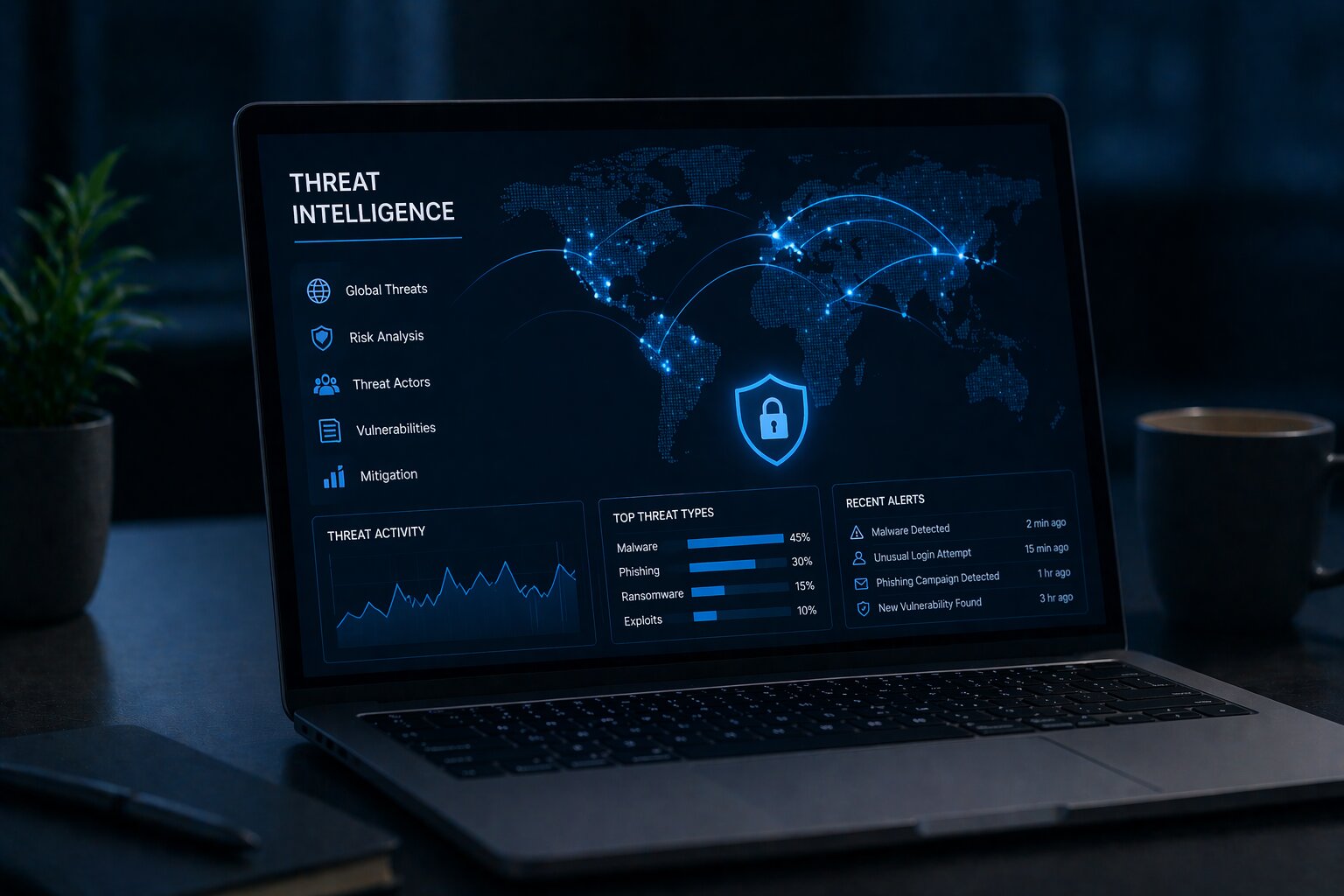
Cybersecurity companies play a critical role in gathering and analysing threat intelligence. By monitoring global activity, they can identify emerging threats and share information with clients and partners.
Threat intelligence platforms provide insights into attack methods, vulnerabilities, and trends, helping organisations stay ahead of potential risks.
This global perspective is essential, as cyber threats often operate across borders and evolve rapidly.
Collaboration and information sharing are key elements of effective threat intelligence.
Incident Response and Recovery
Despite best efforts, cyber incidents can still occur. Cybersecurity companies provide incident response services to help organisations manage and recover from attacks.
This includes identifying the source of the attack, containing the threat, and restoring systems to normal operation.
Post-incident analysis can also provide valuable insights, helping organisations improve their defences and prevent future incidents.
Effective incident response is critical in minimising damage and maintaining trust.
The Role of Artificial Intelligence in Cybersecurity
Artificial intelligence is becoming increasingly important in cybersecurity. Cybersecurity companies are using AI to enhance detection, automate responses, and analyse large volumes of data.
AI can identify patterns and anomalies that may not be visible through traditional methods, improving the accuracy and speed of threat detection.
However, AI is also being used by attackers, creating a dynamic environment where both sides are leveraging advanced technologies.
This ongoing interplay highlights the need for continuous innovation in cybersecurity.
Regulatory and Compliance Considerations
Cybersecurity is closely linked to regulatory and compliance requirements. Organisations must adhere to various standards and regulations related to data protection and security.
Cybersecurity companies provide tools and services that help organisations meet these requirements, including monitoring, reporting, and auditing capabilities.
Compliance is not only a legal requirement but also a component of trust, particularly in industries that handle sensitive data.
Challenges Facing Cybersecurity Companies
Cybersecurity companies face several challenges in their efforts to protect digital systems.
The rapidly evolving nature of threats requires constant adaptation and innovation. New vulnerabilities and attack methods emerge regularly, making it difficult to maintain comprehensive protection.
There is also a shortage of skilled professionals in the cybersecurity field, which can impact the ability to develop and deploy solutions.
Balancing usability with security is another challenge, as overly complex systems may hinder adoption.
The Importance of Collaboration
Cybersecurity is not a challenge that can be addressed by individual organisations alone. Collaboration between companies, governments, and institutions is essential.
Cybersecurity companies often work together to share threat intelligence, develop standards, and coordinate responses to large-scale incidents.
This collaborative approach helps create a more resilient digital ecosystem, where knowledge and resources are shared.
The Future of Digital Defence
The role of cybersecurity companies is likely to become even more important as digital systems continue to expand.
Future developments may include more advanced AI-driven solutions, improved integration across platforms, and greater emphasis on proactive defence strategies.
As technologies such as the Internet of Things and edge computing grow, new security challenges will emerge, requiring innovative approaches.
Cybersecurity companies will play a central role in addressing these challenges and shaping the future of digital defence.
A Critical Pillar of the Digital World
Cybersecurity companies are a critical pillar of the modern digital world. By developing tools, services, and strategies to protect systems and data, they enable organisations to operate securely in an increasingly connected environment.
Their work supports not only individual organisations but also the broader stability of digital infrastructure.
As the threat landscape continues to evolve, the importance of cybersecurity—and the companies driving it—will only continue to grow.