What Defines a Smart Home Device in 2026
Smart home technology has evolved rapidly over the past decade, moving from novelty gadgets to integrated systems that play a central role in everyday living. As adoption increases and ecosystems become more sophisticated, the definition of what constitutes a smart home device is also changing.
In 2026, a smart home device is no longer simply a connected appliance. It is part of a broader, intelligent system that combines connectivity, automation, data processing, and user-centric design. Understanding what defines these devices provides insight into how homes are becoming more responsive, efficient, and personalised.
Beyond Connectivity: The Shift to Intelligence
Early smart home devices were primarily defined by their ability to connect to the internet. This allowed users to control them remotely through smartphones or other interfaces.
While connectivity remains essential, it is no longer sufficient on its own. Modern smart home devices are expected to exhibit a level of intelligence—using data and algorithms to make decisions, automate actions, and adapt to user behaviour.
This shift reflects a broader trend in technology, where connectivity is combined with intelligence to create more meaningful and useful experiences.
Core Characteristics of Smart Home Devices
Several key characteristics define smart home devices in their current form.
Connectivity and Integration
Smart home devices must be able to connect to networks and communicate with other devices. This connectivity enables integration within a broader ecosystem, allowing devices to work together.
For example, a smart thermostat may interact with sensors, weather data, and user schedules to optimise temperature settings.
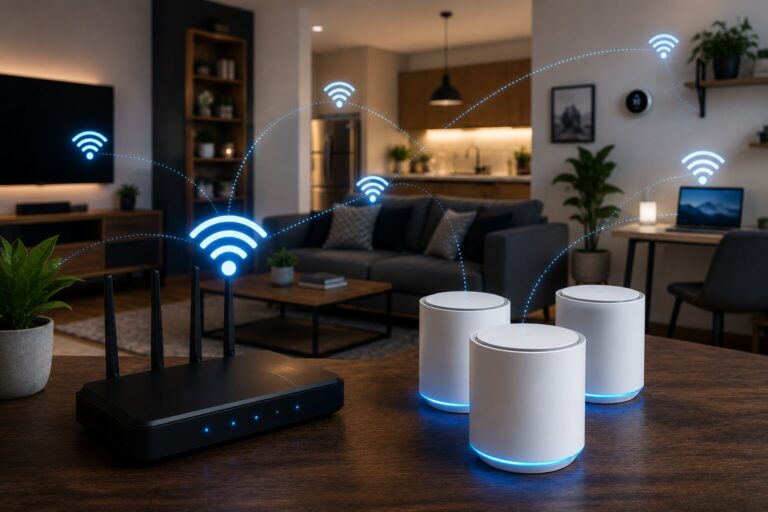
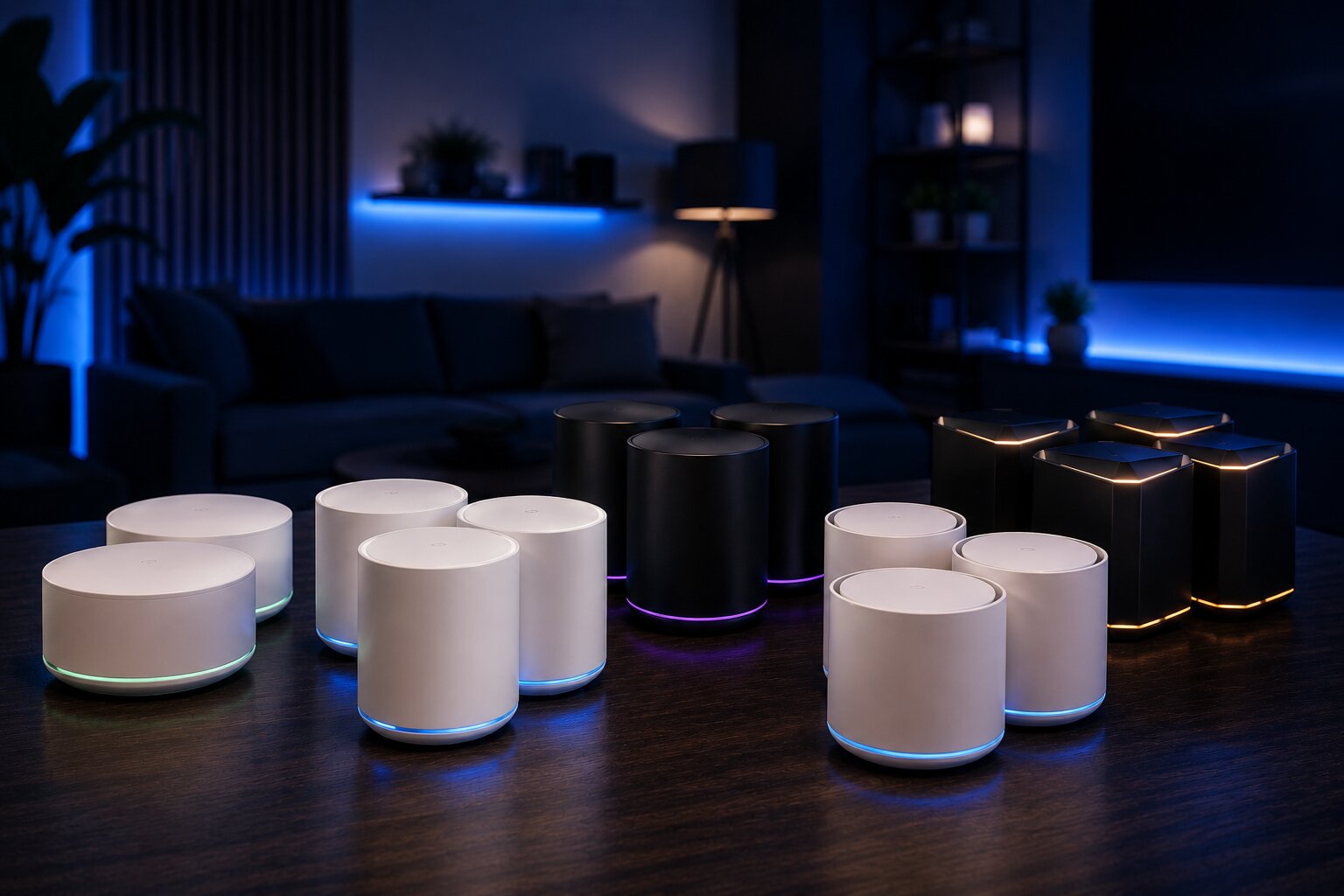
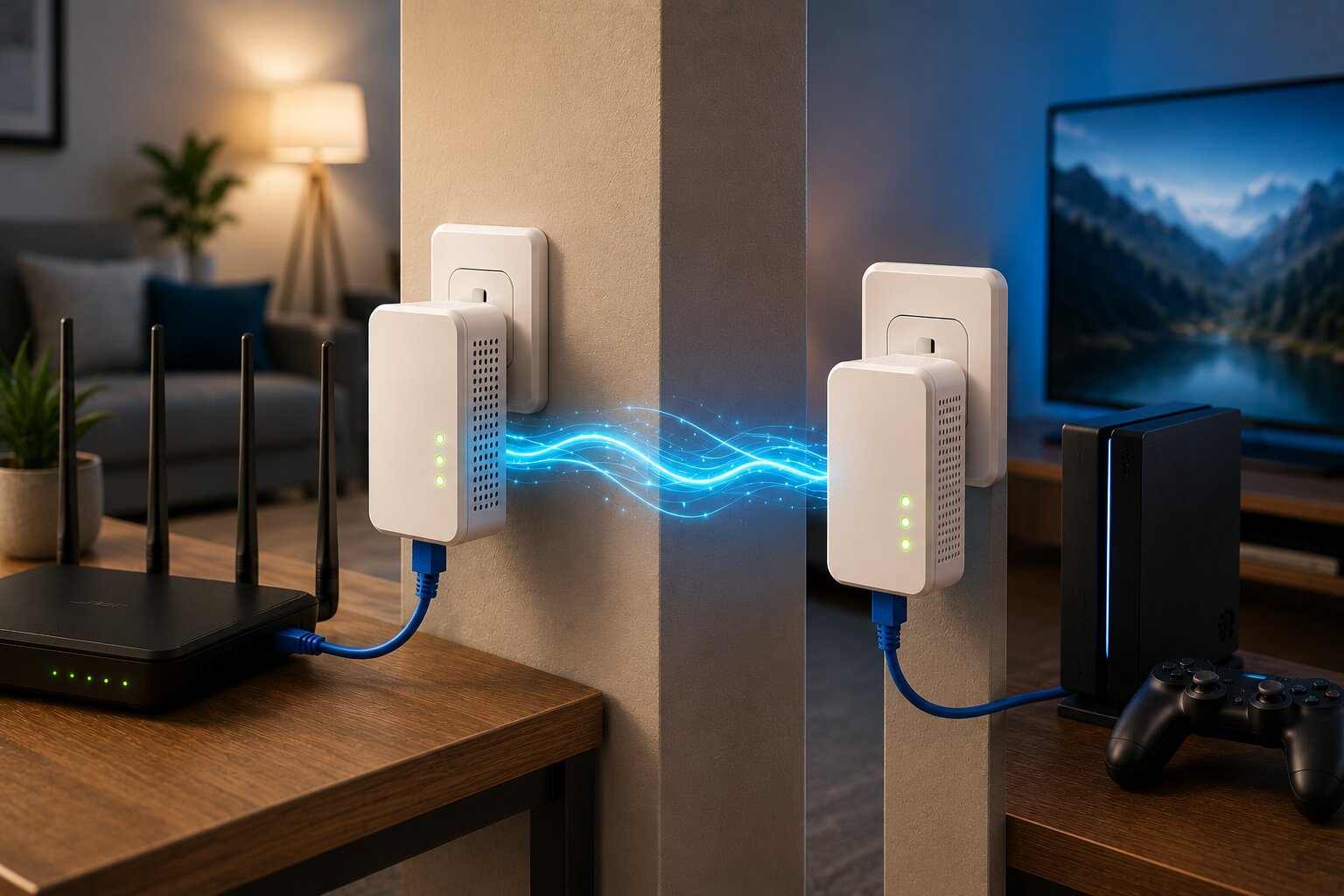
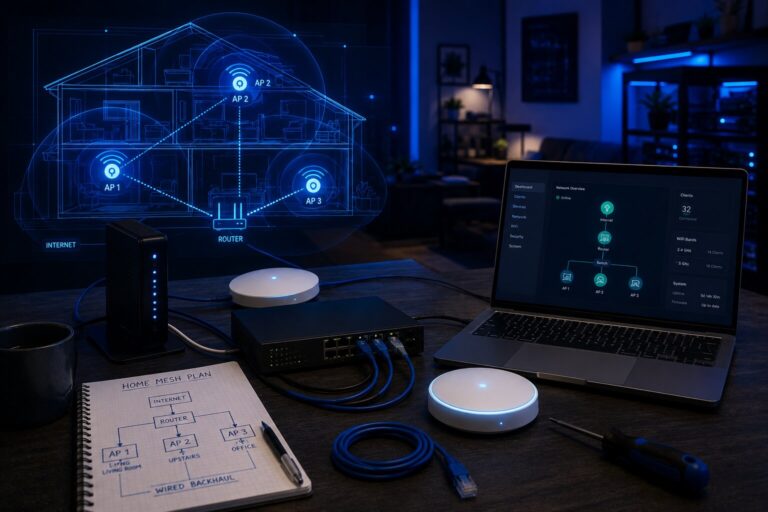
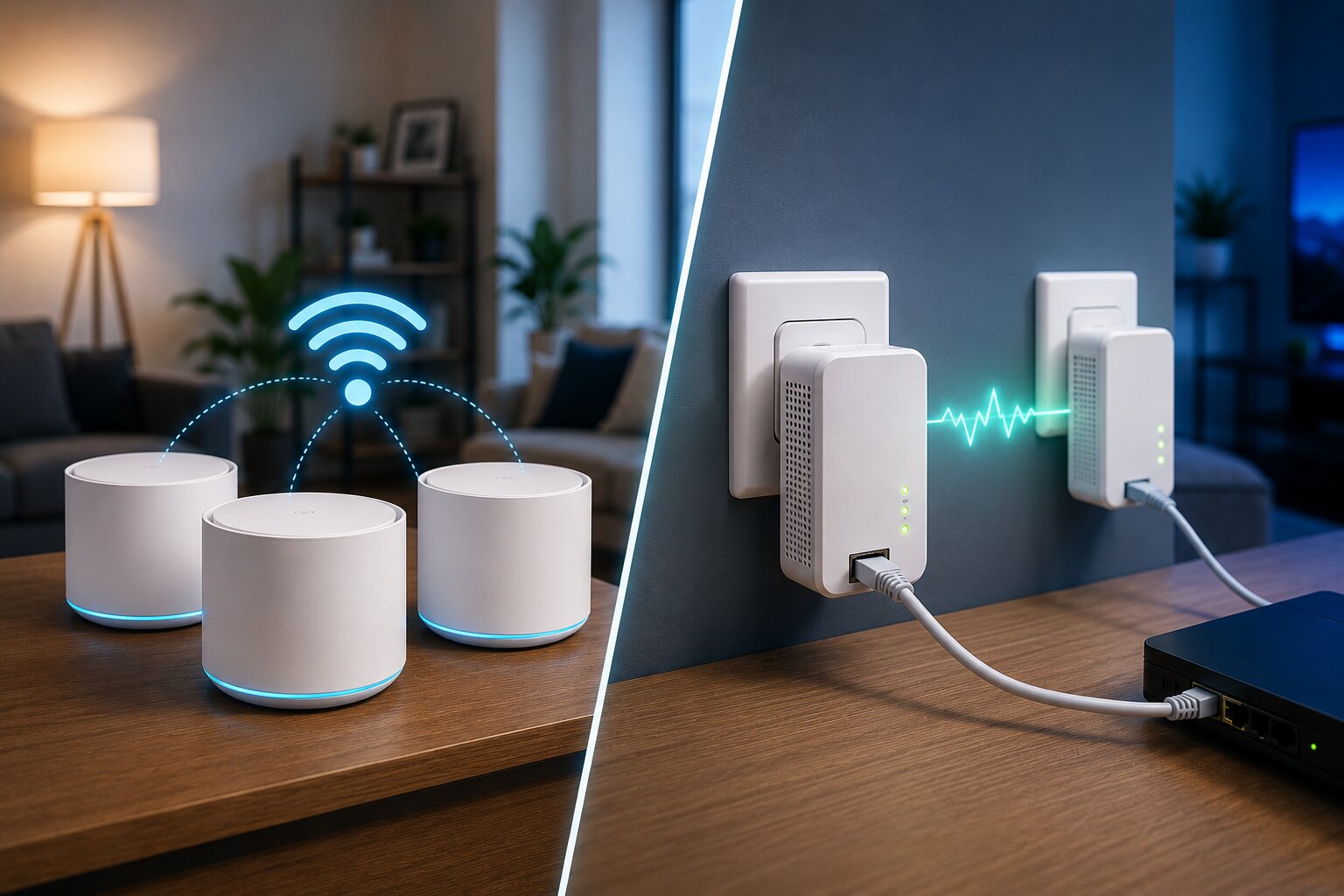
How is all of this possible? You may well be wondering that, if you don’t have great internet connectivity at home. Before moving on to using smart home devices, you’ll want to look at improving your home Wifi.
Automation and Responsiveness
Automation is a central feature of smart home technology. Devices are designed to perform actions automatically based on predefined rules or real-time data.
This can include turning lights on when motion is detected, adjusting temperature based on occupancy, or triggering security alerts when unusual activity is detected.
Responsiveness ensures that these actions occur in a timely and relevant manner.
Data-Driven Functionality
Smart home devices rely on data to function effectively. Sensors collect information about the environment, user behaviour, and system performance.
This data is analysed to inform decisions, enabling devices to adapt and improve over time.
Data-driven functionality allows for more personalised and efficient operation.
The Role of Artificial Intelligence
Artificial intelligence is playing an increasingly important role in defining smart home devices.
AI enables devices to learn from patterns and make predictions. For example, a lighting system may learn a user’s daily routine and adjust settings accordingly.
Voice assistants use natural language processing to understand and respond to user commands, making interaction more intuitive.
As AI capabilities continue to advance, smart home devices are becoming more proactive, anticipating needs rather than simply reacting to commands.
Interoperability and Ecosystem Integration
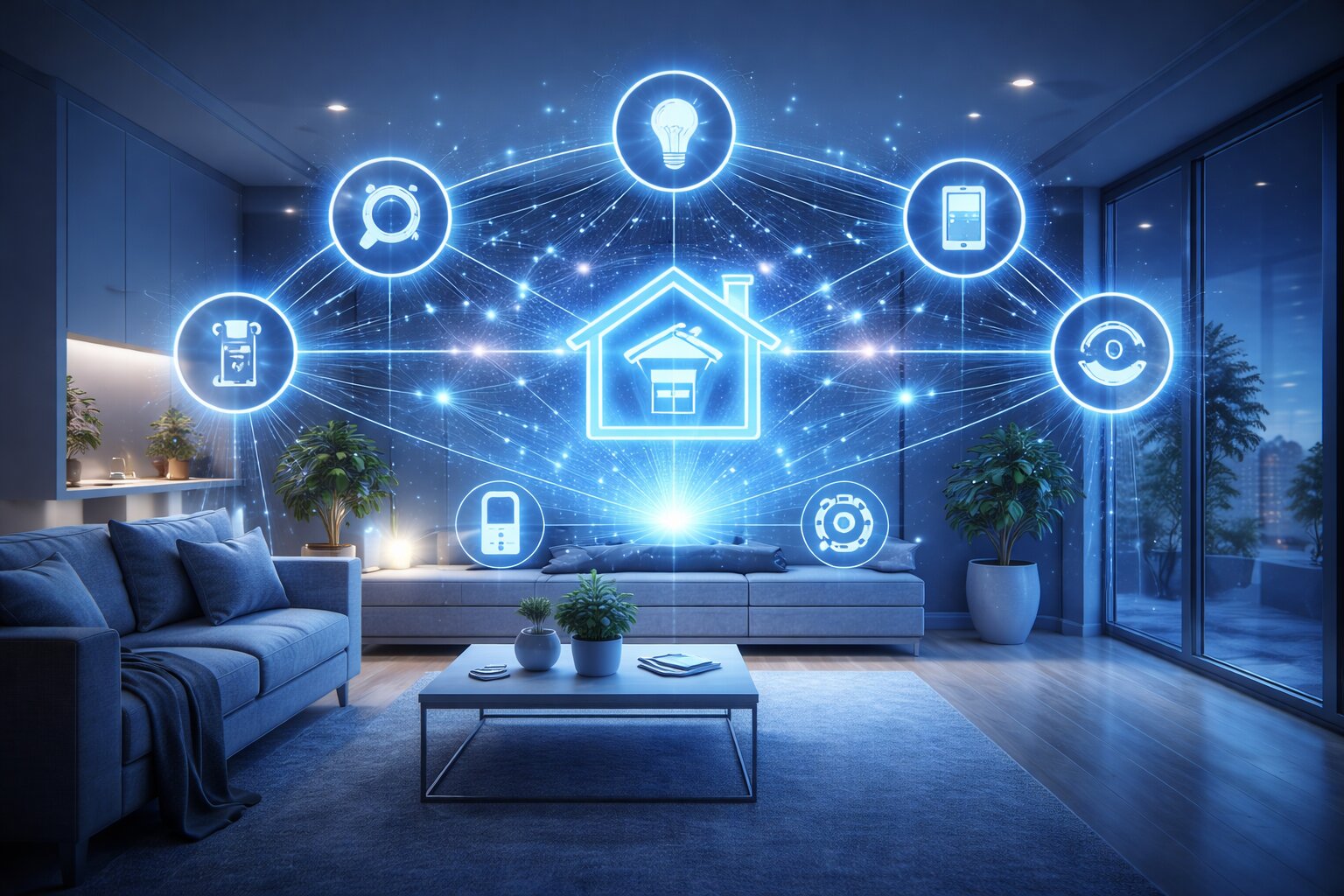
A defining feature of modern smart home devices is their ability to operate within an ecosystem. Rather than functioning in isolation, devices are designed to work together.
Interoperability—the ability of devices from different manufacturers to communicate and function together—is becoming increasingly important.
Standards and protocols are being developed to support this integration, enabling more seamless experiences.
For users, this means that devices can be combined to create coordinated systems, such as automated routines that involve multiple components.
User Experience and Accessibility
Ease of use is a critical factor in the adoption of smart home technology. Devices must be intuitive and accessible, particularly for users who may not be familiar with complex technology.
Interfaces are becoming more user-friendly, with mobile apps, voice control, and automation reducing the need for manual interaction.
Accessibility features are also being incorporated, ensuring that devices can be used by a wider range of individuals.
A well-designed user experience enhances the value of smart home devices and supports broader adoption.
Security and Privacy Considerations
As smart home devices become more integrated into daily life, security and privacy are becoming increasingly important.
These devices often collect and transmit data, including information about user behaviour and home environments. Protecting this data is essential.
Manufacturers are implementing security features such as encryption, authentication, and regular updates to address potential vulnerabilities.
Users must also be aware of how their data is used and take steps to manage privacy settings.
Energy Efficiency and Sustainability
Smart home devices are also contributing to more sustainable living. By optimising energy usage, these devices can reduce waste and improve efficiency.
Smart thermostats, lighting systems, and appliances can adjust their operation based on real-time conditions, reducing unnecessary consumption.
This not only benefits the environment but can also lead to cost savings for users.
Sustainability is becoming an increasingly important aspect of smart home design.
Examples of Smart Home Device Categories
Smart home devices span a wide range of categories, each addressing different aspects of daily living.
- Lighting systems: Automated and adaptive lighting solutions
- Climate control: Smart thermostats and environmental sensors
- Security systems: Cameras, locks, and alarm systems
- Appliances: Connected devices such as refrigerators and ovens
- Entertainment systems: Smart TVs and audio systems
These categories illustrate the diversity of smart home technology and its integration into various aspects of the home.
You can browse the Currys website, or other online retailers, to get some great ideas of what’s currently available on the marketplace within the smart home space.
Challenges in Defining “Smart”
As the market expands, the term “smart” is sometimes applied broadly, leading to ambiguity.
Not all connected devices offer the same level of intelligence or integration. Some may provide basic remote control without meaningful automation or data-driven functionality.
Distinguishing between genuinely intelligent systems and more limited connected devices is important for understanding the true capabilities of smart home technology.
The Future of Smart Homes
The definition of smart home devices is likely to continue evolving as technology advances.
Future developments may include greater use of AI, improved interoperability, and more seamless integration with other systems, such as healthcare and energy infrastructure.
Homes may become more adaptive and responsive, with devices working together to create environments that are tailored to individual needs.
The boundary between individual devices and integrated systems is likely to become increasingly blurred.
A New Standard for Connected Living
In 2026, a smart home device is defined not just by its ability to connect, but by its ability to contribute to an intelligent, integrated environment.
These devices combine connectivity, automation, data, and user-centric design to create systems that are more efficient, responsive, and personalised.
As adoption continues to grow, smart home technology is becoming a standard feature of modern living, shaping how people interact with their environments and redefining the concept of home.