The Future of Wearable Technology: Smart Devices Beyond the Smartphone
Wearable technology has evolved dramatically over the past decade. What began as simple fitness trackers capable of counting steps and monitoring heart rates has grown into a sophisticated ecosystem of devices designed to monitor health, enhance productivity, and connect users to the digital world in new ways.
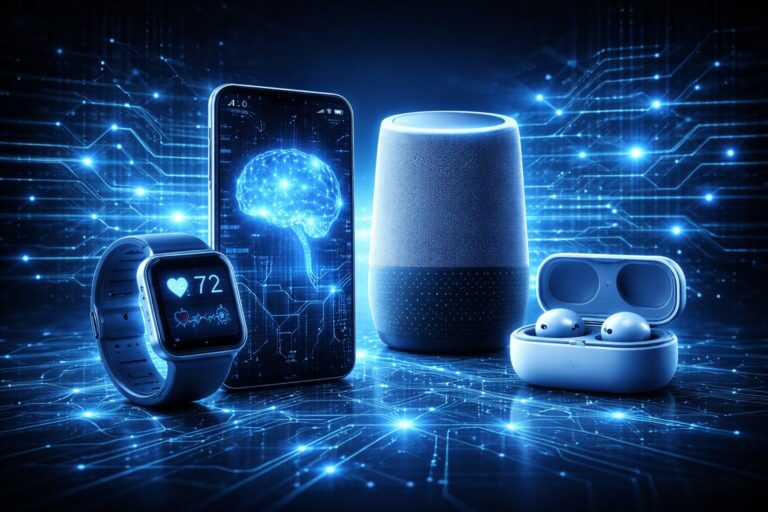
Today, wearable devices include smartwatches, fitness bands, augmented reality glasses, health-monitoring devices, and even smart clothing. These technologies are rapidly becoming an important extension of personal computing, allowing users to interact with digital services without constantly relying on smartphones or traditional computers.
As sensors, artificial intelligence, and battery technology continue to improve, wearable devices are poised to become an even more integral part of everyday life.
The Rise of Personal Health Monitoring
One of the most significant drivers behind the growth of wearable technology is the increasing focus on personal health monitoring. Many wearable devices now include advanced sensors capable of tracking a wide range of biometric data.
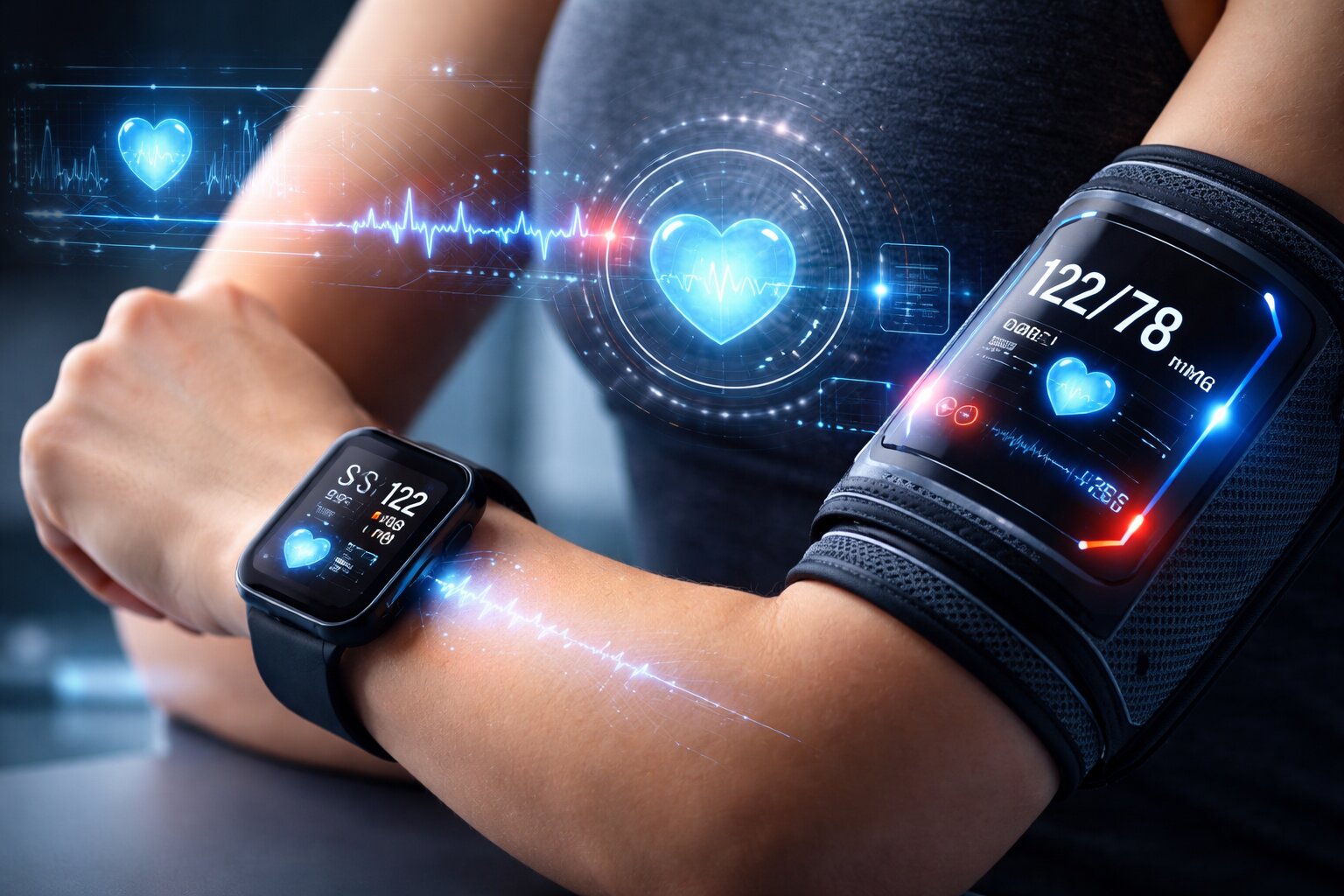
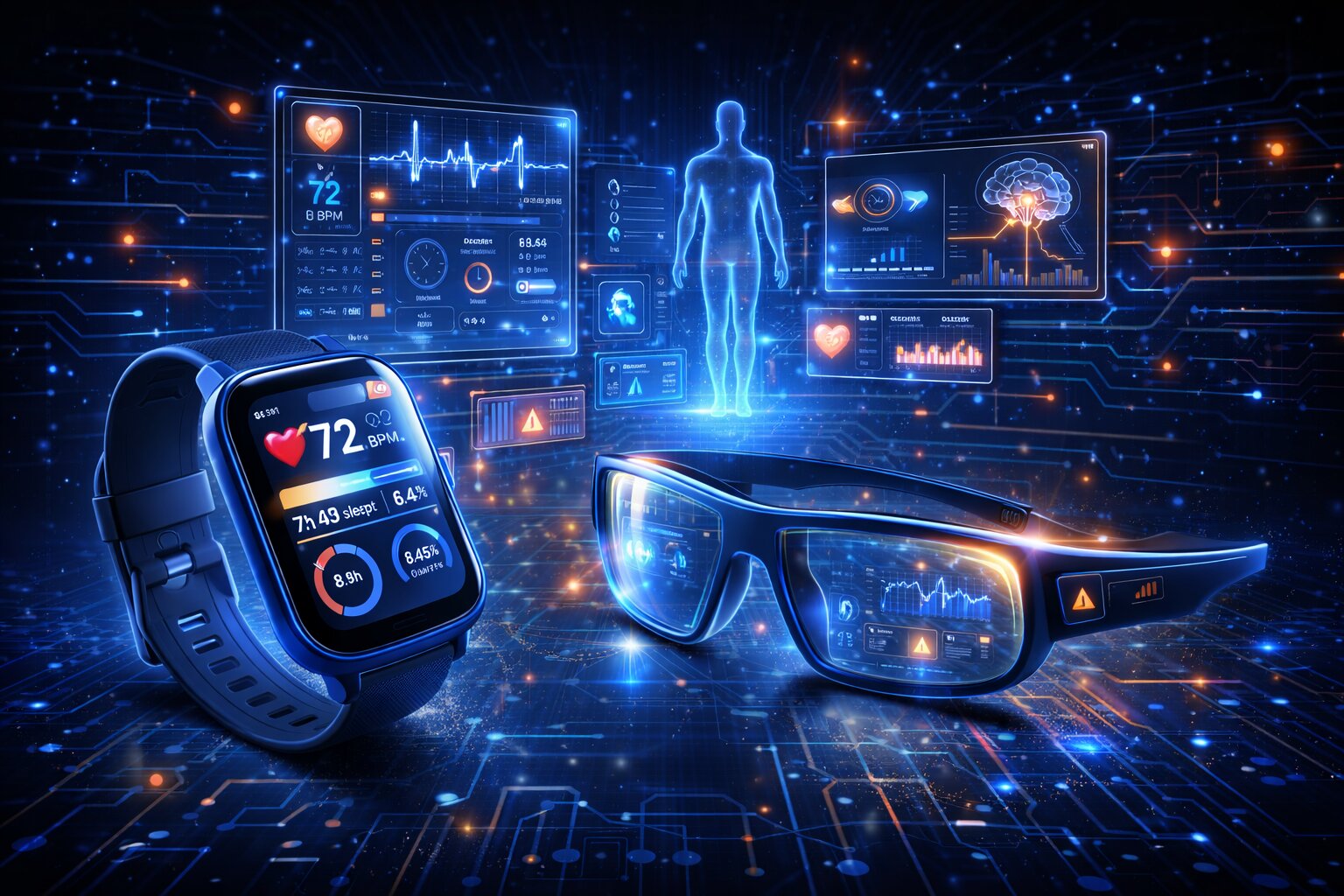
Modern smartwatches can measure heart rate, monitor sleep patterns, track physical activity, and estimate blood oxygen levels. Some devices can even detect irregular heart rhythms or alert users to potential health issues.
These features allow individuals to gain deeper insight into their physical well-being. Instead of relying solely on occasional doctor visits, users can monitor important health indicators continuously.
Healthcare professionals are also beginning to explore how wearable data can support preventative medicine. Continuous health monitoring may help identify early warning signs of medical conditions, allowing doctors to intervene before problems become more serious.
Wearables and Preventative Healthcare
Beyond basic fitness tracking, wearable devices are increasingly being used in clinical and research environments. Medical researchers are studying how wearable sensors can help monitor chronic conditions such as heart disease, diabetes, and sleep disorders.
For example, wearable ECG monitors can detect abnormal heart rhythms that might otherwise go unnoticed. Smart sensors can track blood oxygen levels and respiratory patterns, providing valuable data for managing respiratory illnesses.
In the future, wearable devices may play a much larger role in remote patient monitoring. Patients recovering from surgery or managing long-term health conditions could use wearable devices to share real-time data with healthcare providers.
This approach has the potential to improve patient outcomes while reducing the need for frequent hospital visits.
The Role of Artificial Intelligence in Wearables
Artificial intelligence is becoming an important component of modern wearable devices. AI algorithms allow wearables to analyse large amounts of sensor data and provide meaningful insights rather than simply collecting raw information.
For example, a smartwatch might analyse activity patterns and recommend personalised fitness goals based on a user’s behaviour. Sleep-tracking algorithms can evaluate sleep cycles and suggest ways to improve sleep quality.
AI can also help identify anomalies in health data. If a wearable device detects unusual heart rate patterns or sudden changes in activity levels, it may alert the user to potential health concerns.
As AI capabilities improve, wearable devices may become increasingly proactive in supporting users’ health and well-being.
Augmented Reality Wearables
Another emerging area of wearable technology involves augmented reality (AR). AR devices overlay digital information onto the physical world, allowing users to interact with digital content while remaining aware of their surroundings.
AR glasses and headsets have already been used in specialised industries such as manufacturing, logistics, and healthcare. Workers can access instructions, diagrams, or real-time data while performing complex tasks.
Consumer-focused AR wearables are also beginning to appear. These devices may allow users to view navigation directions, receive notifications, or interact with digital assistants directly through smart glasses.
While current AR wearables still face challenges related to battery life, display quality, and comfort, ongoing research suggests that this technology may eventually become a major computing platform.
Smart Clothing and Embedded Sensors
Wearable technology is also expanding beyond traditional devices such as watches and glasses. Researchers and manufacturers are exploring the potential of smart clothing equipped with embedded sensors.
Smart fabrics can monitor body temperature, muscle activity, posture, and movement patterns. These capabilities may prove valuable in sports training, physical therapy, and workplace safety.
Athletes can use smart clothing to track performance metrics and refine training routines. Physical therapists may use wearable sensors to monitor rehabilitation exercises and ensure proper movement patterns.
In industrial environments, smart clothing could help detect fatigue, unsafe movements, or exposure to hazardous conditions.
These innovations highlight how wearable technology may eventually become integrated directly into everyday clothing.
Battery and Connectivity Challenges
Despite the rapid progress of wearable technology, several technical challenges remain.
Battery life is one of the most significant limitations. Wearable devices must remain lightweight and comfortable while still providing sufficient power for sensors, displays, and wireless connectivity.
Researchers are exploring new battery technologies, energy-efficient processors, and low-power communication systems to address this challenge.
Connectivity is another important consideration. Wearables often rely on smartphones or cloud services to process data and deliver features. As edge computing and local AI processing improve, future devices may be able to perform more tasks independently.
Improving these technical aspects will be essential for making wearables more powerful and convenient.
Privacy and Data Security
Because wearable devices collect sensitive biometric data, privacy and security are important concerns.
Health data, activity patterns, and location information can reveal a great deal about an individual’s lifestyle and personal habits. Protecting this information from misuse or unauthorised access is essential.
Manufacturers must ensure that wearable devices use strong encryption and secure data storage practices. Clear privacy policies and transparent data management practices are also important for building user trust.
As wearable technology becomes more widespread, data protection will remain a key factor in its adoption.
A New Era of Personal Technology
Wearable technology represents a shift toward more integrated and personalised computing. Rather than interacting with technology through a single device such as a smartphone, users are beginning to engage with a network of connected devices that operate seamlessly in the background.
These devices can monitor health, provide information, and support daily activities without requiring constant attention.
As sensors, AI, and connectivity continue to improve, wearable devices may become one of the most important platforms in the future of personal technology.
From healthcare and fitness to communication and entertainment, wearables have the potential to reshape how people interact with the digital world.
While smartphones will likely remain central devices for many years, wearable technology is steadily expanding the possibilities of what personal computing can look like.